
EDUCATION & OUTREACH

We are proud to be a Chesapeake Bay Landscape Professional
Education
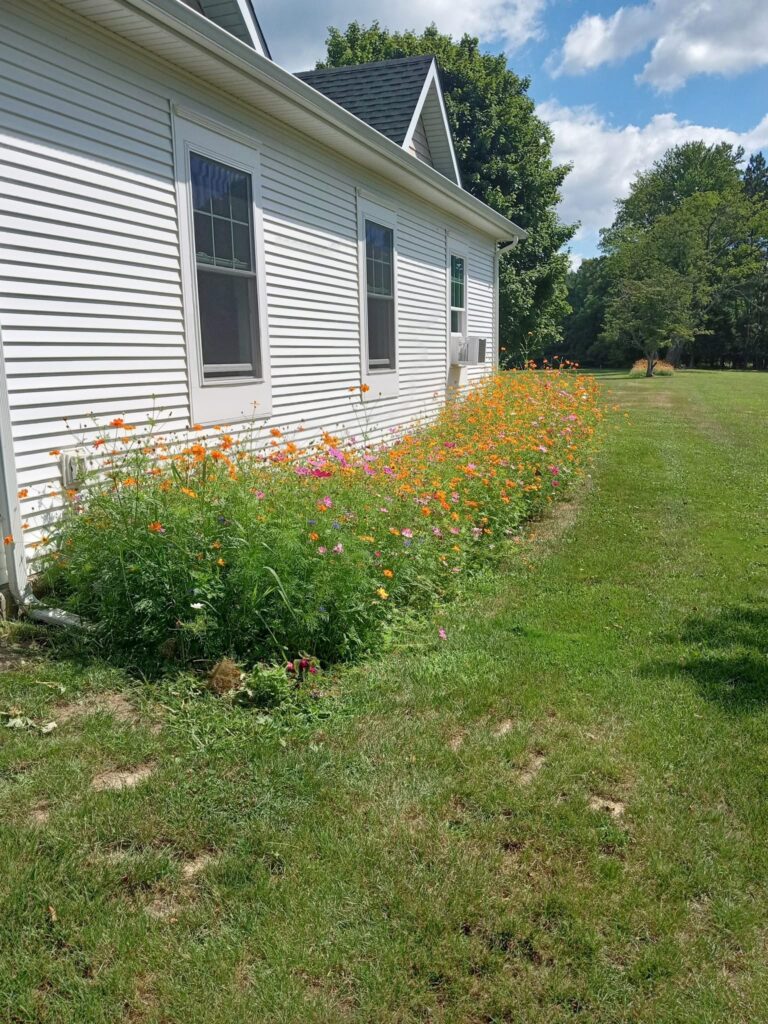
Native Plant Gardens Enhance Appeal to Buyers: an article by the New York Times
View Article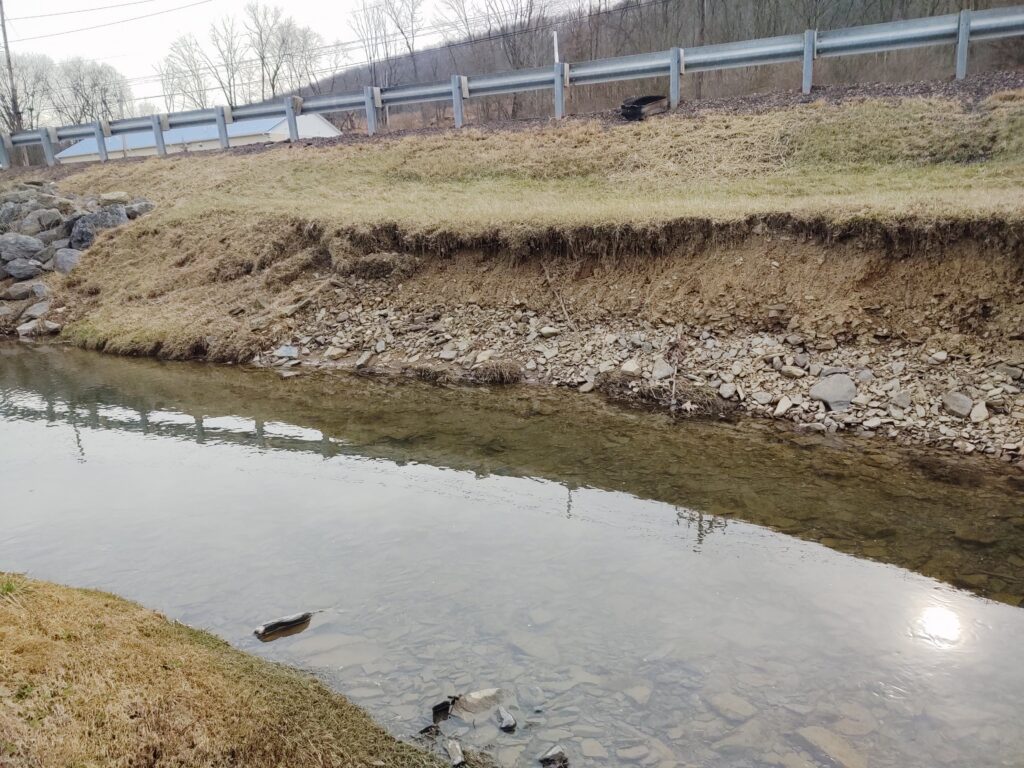
Transforming Eroding Streambanks: A Collaborative Conservation Effort
View Article
Turning a New Leaf 2025: Reflections from Richmond
View Article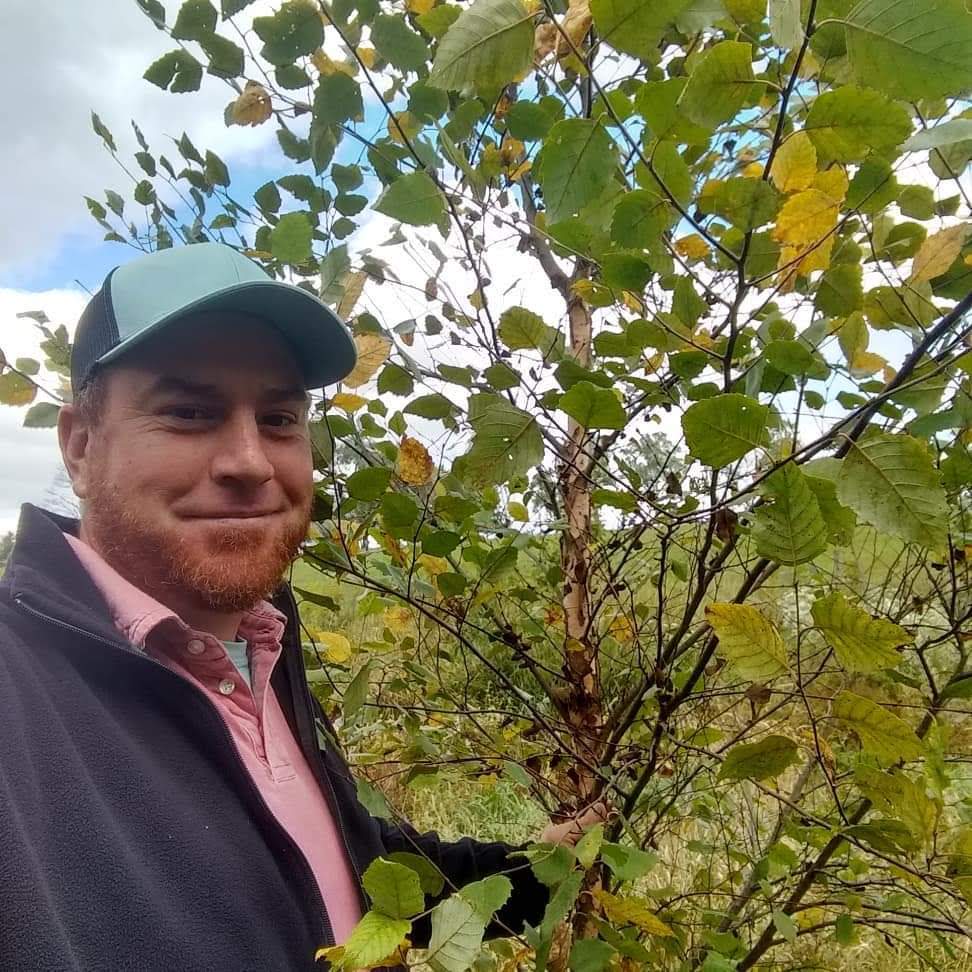
When You Hire a CBLP for Your Project, You Join a Community
View Article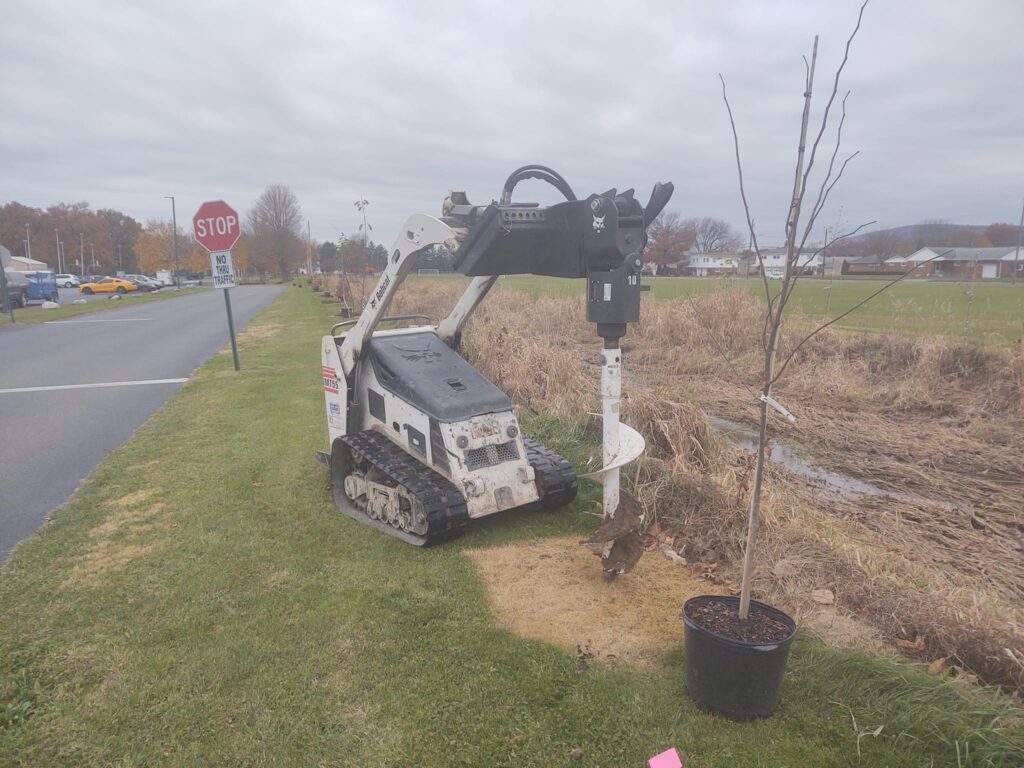
Multifunctional Riparian Forest Buffer installation
GREAT RESOURCES


Why Plant Natives?
Many of the invasive plant species found in natural areas are “escapees” from nearby landscapes. Commonly used exotic, ornamental, or non-native plants have a tendency to spread/escape into the wild.
Since these plants are not part of our existing landscape, they tend
not to have any form of natural control, thus taking over areas once occupied by native plants. This displaces wildlife and insects which once thrived on the existing plants.
The more non-native plants that move into a natural area, the more it hinders the function of the ecosystem.
MOST COMMON NATIVE ALTERNATIVES
INVASIVE SPECIES: Japanese Barberry
NATIVE ALTERNATIVE: Ninebark
Physocarpus, commonly called ninebark, is a genus of flowering plants in the family Rosaceae, native to North America. The leaves are palmate with 3 to 7 lobes and often toothed edges. Ninebark is a flowering shrub with four-season interest. This tough bush offers foliage in a variety of colors, as well as flowers that attract pollinators
INVASIVE SPECIES: Bradford Pear
NATIVE ALTERNATIVE: Serviceberry
Large shrub or small tree with beautiful fall colors. White spring flowers giving way to 1/4" fruit loved by birds. The downy serviceberry grows to a height of 15–25' and a spread of 15–25' at maturity. This tree grows at a medium rate, with height increases of 13–24" per year.
INVASIVE SPECIES: Daylillies
NATIVE ALTERNATIVE: Spiderwort
spiderwort is a large but dainty perennial to 3 ft. with long, bright-green, narrow leaves. The thick clump of slender, branched stalks are topped by groups of blue or purplish, three-petaled flowers up to 2 in. across. Spiderwort flowers close by mid-day and last only one day. Blue-violet (sometimes white) flowers with showy, yellow stamens in a terminal cluster above a pair of long, narrow, leaf-like bracts.
INVASIVE SPECIES: Bittersweet
NATIVE ALTERNATIVE: Trumpet Vine
A high-climbing, aggressively colonizing woody vine to 35 ft., climbing or scrambling over everything in its path by aerial rootlets. Native to eastern North America as far north as Ohio and South Dakota, this vine is often cultivated for its attractive, reddish orange flowers.
INVASIVE SPECIES: Butterflybush
NATIVE ALTERNATIVE: Butterfly Weed
Butterfly weed is a member of the milkweed family (Asclepiadaceae). The genus name Asclepias is named after the Greek god of medicine Asklepios. The species name tuberose refers to the tuberous (knobby and with swellings) roots. Butterfly weed is commonly planted in formal garden borders and in meadow and prairie gardens.
INVASIVE SPECIES: Paulownia Tree
NATIVE ALTERNATIVE: Eastern Redbud
Rosy pink flowers appear in April. Reddish-purple leaves change to dark green, then to yellow. Forms a spreading, graceful crown. Full sun or light shade. Partial shade preferred in windy, dry areas. Grows to 20' to 30', 30' spread. This tree grows at a medium rate, with height increases of 13–24" per year.
INVASIVE SPECIES: Privet
NATIVE ALTERNATIVE: Black Chokeberry
Black chokeberry is an adaptable shrub with hardiness and wide tolerance to a variety of soil textures, densities, pH levels and moisture conditions. Black chokeberry can also be used as an edible fruit crop although the fruit is too astringent to eat raw. In spring, it has showy white flower clusters. In autumn, leaves change from green to vibrant tones of red, orange and purple.
INVASIVE SPECIES: Burning Bush
NATIVE ALTERNATIVE: Red Chokeberry
Red chokeberry is a tall, multi-stemmed native shrub with abundant white flowers, red glossy berries, and outstanding red fall color. Red chokeberry is a tough, dependable plant with three-season interest, useful for shady, wet sites. It works well in a naturalized landscape or garden.
INVASIVE SPECIES: Honeysuckle
NATIVE ALTERNATIVE: Witch Hazel
A native small tree or large shrub with fantastic fall attributes. Yellow, fragrant flowers bloom from October through December. Attractive foliage in all growing seasons with leaves bright green in spring followed by yellow to yellowish-orange colors in fall. A great tree to plant as an understory or for a shrub border in large areas. Prefers moist soils, but is tolerant of a variety of conditions. Expose to full sun or partial shade. Grows 15' to 30' high with a similar spread.