Stormwater Management
Manage your stormwater with sustainable, functional solutions.
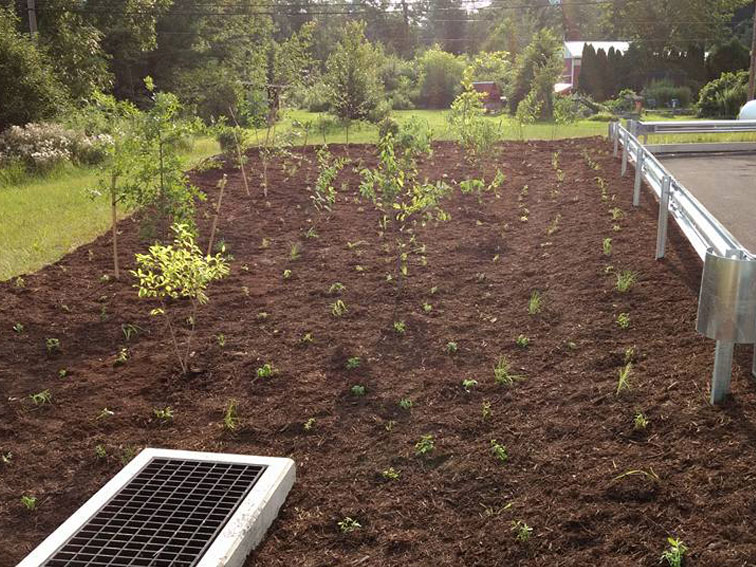
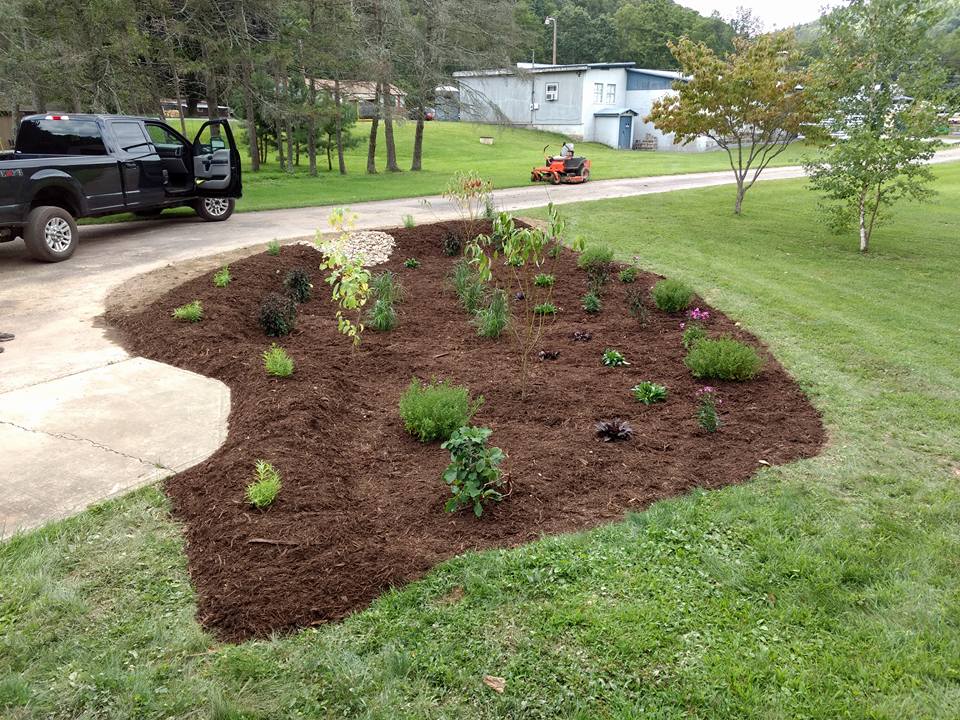
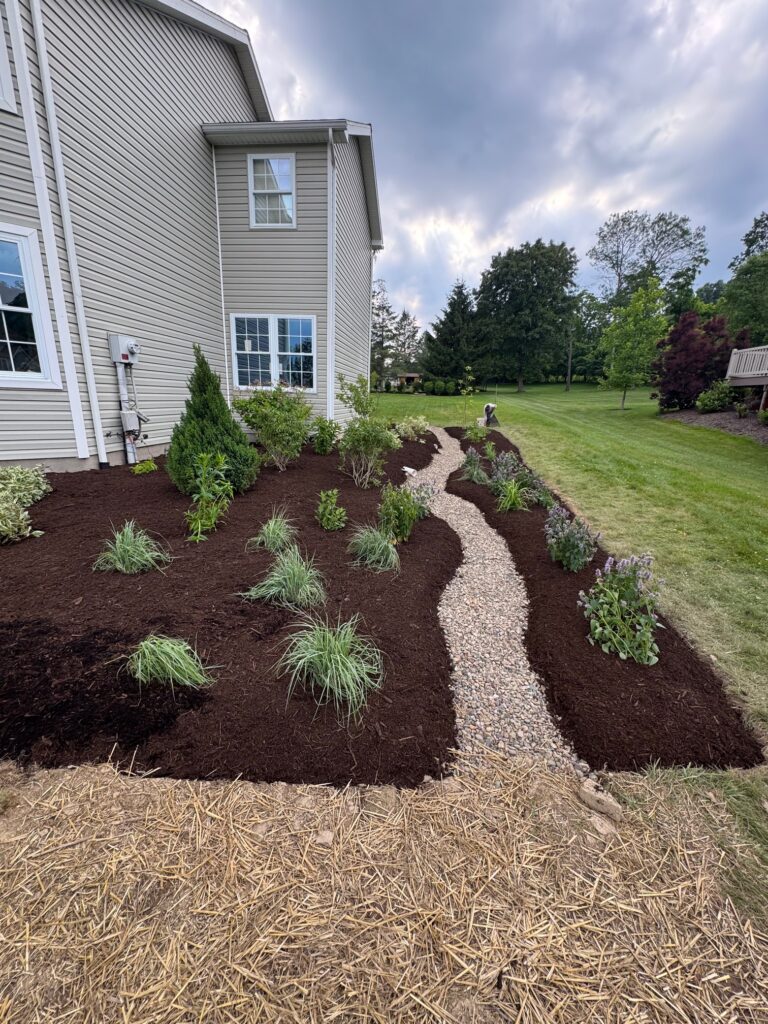
Using stormwater best management practices, we create rain gardens, bioswales, and infiltration beds to maximize water infiltration and minimize runoff and flooding.
Homeowners, developers, municipalities, and MS4 compliance projects can all reap benefits from proper stormwater management.

We are proud to be a Chesapeake Bay Landscape Professional
The Problem
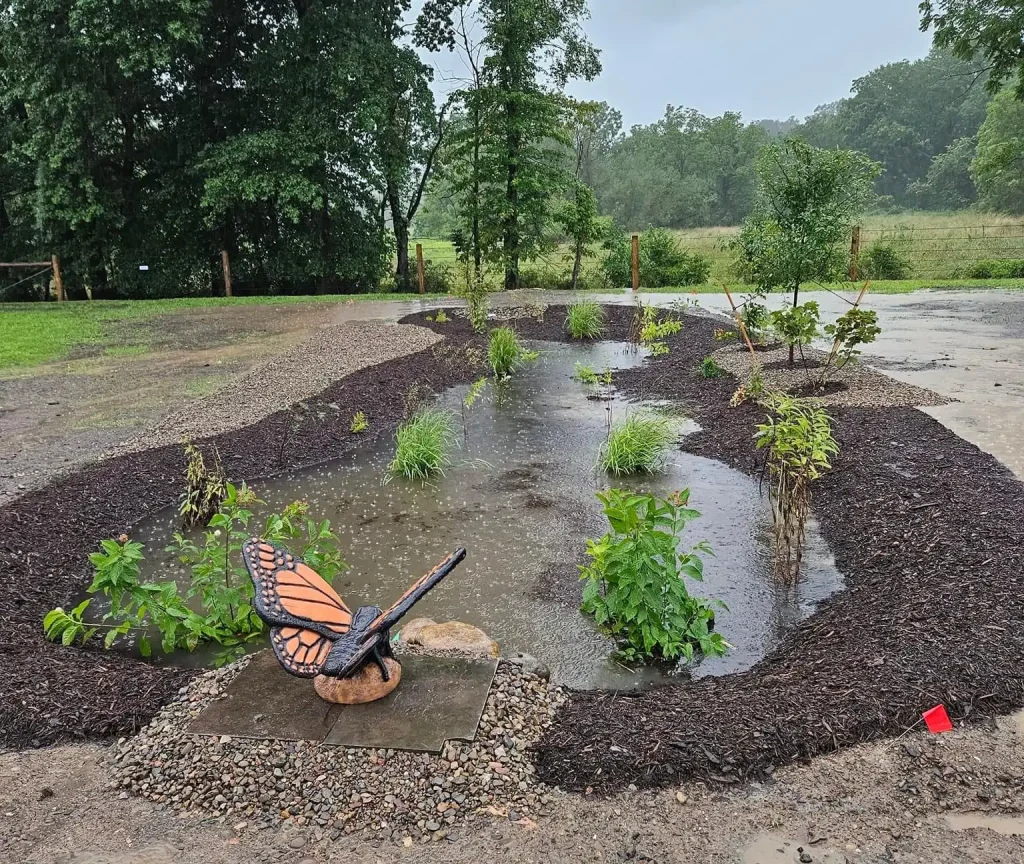
Traditional water retention/detention areas simply move water to another location or temporarily pool stormwater.
This leads to nutrients, pollutants, and sediment in the water. Runoff in unstable areas also leads to soil erosion.
Proper stormwater management mitigrates flooding, erosion, and decreases pollutants.
Our Solutions
Our rain gardens and other stormwater management practices are designed for optimum water infiltration.
We use native plants in our stormwater management areas. The deep native root systems allow for greater water infiltration and filtration of pollutants. There are three main practices we use for stormwater management:
- Rain gardens
- Bioswales
- Infiltration beds

Start Your Landscape Transformation
In Three Simple Steps
Schedule Your Consultation
Tell us about your commercial, residential, or conservation project.
Get a Custom Conservation
Landscape-Based Plan
We assess your property, identify opportunities, and design a plan built around your goals and your site’s natural systems.
Transform
Your Landscape
Our team installs high-quality native plants and systems that thrive long-term — giving you a beautiful, sustainable landscape with less maintenance.
Client Examples: