Riparian Buffers
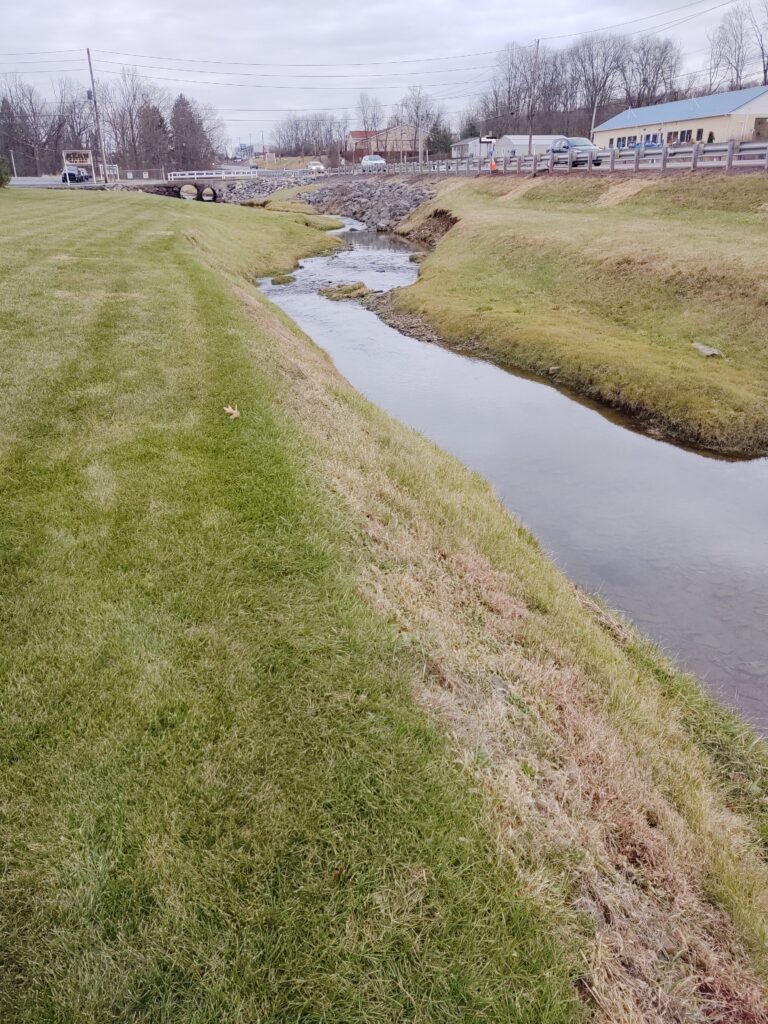
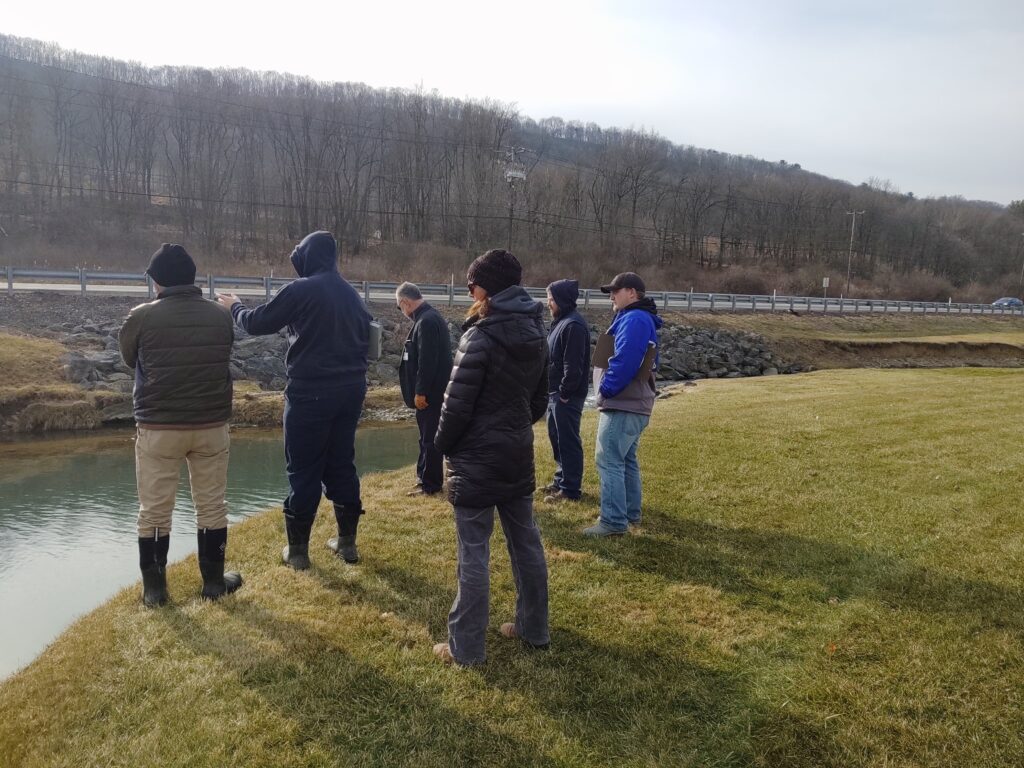
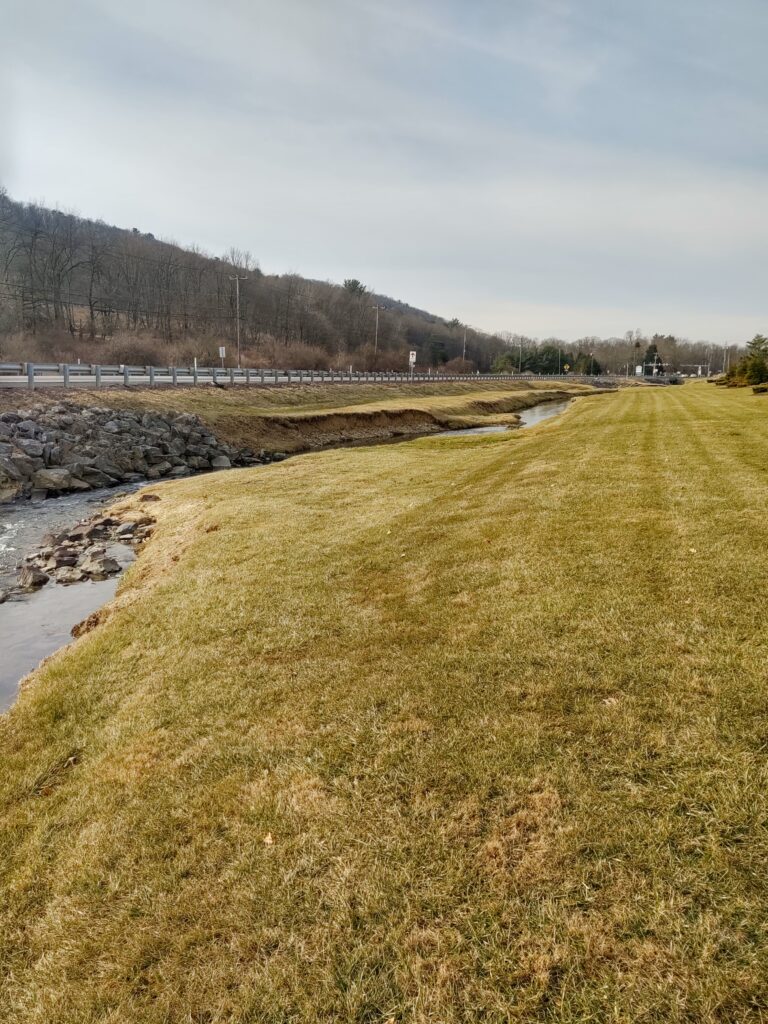
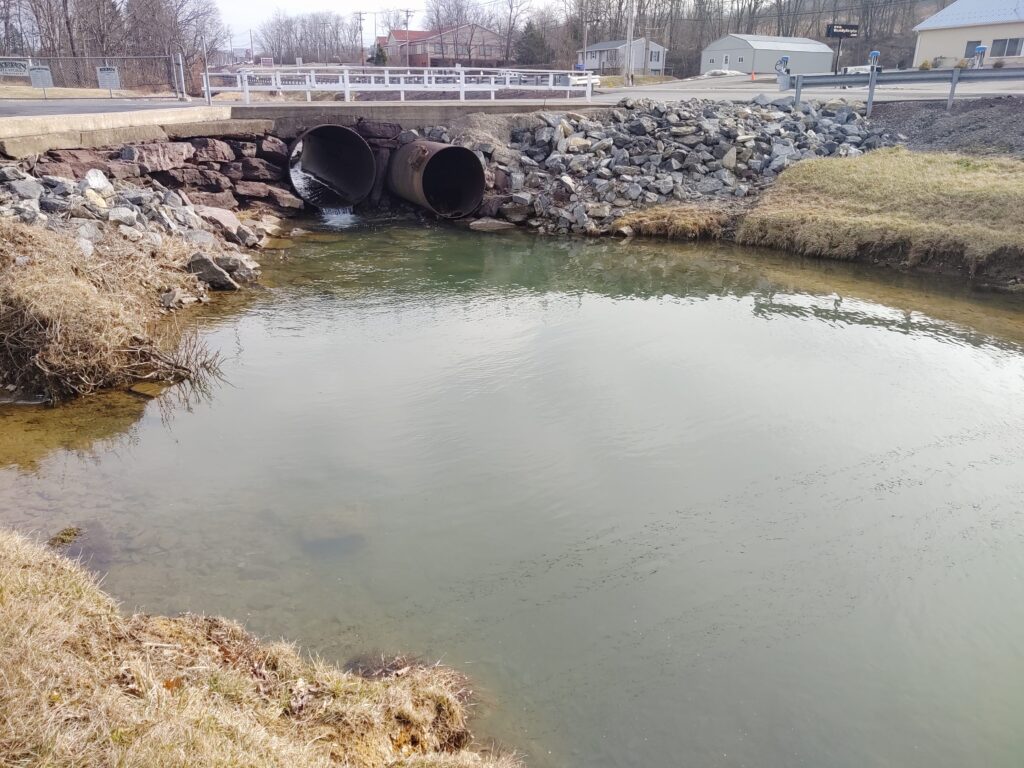
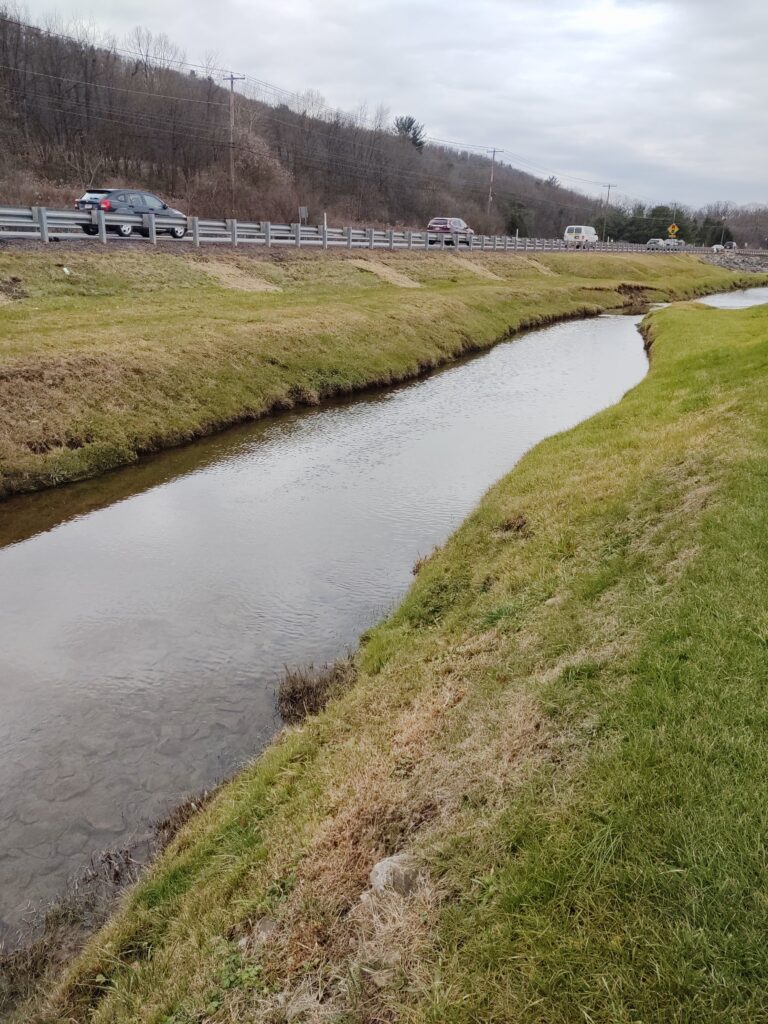
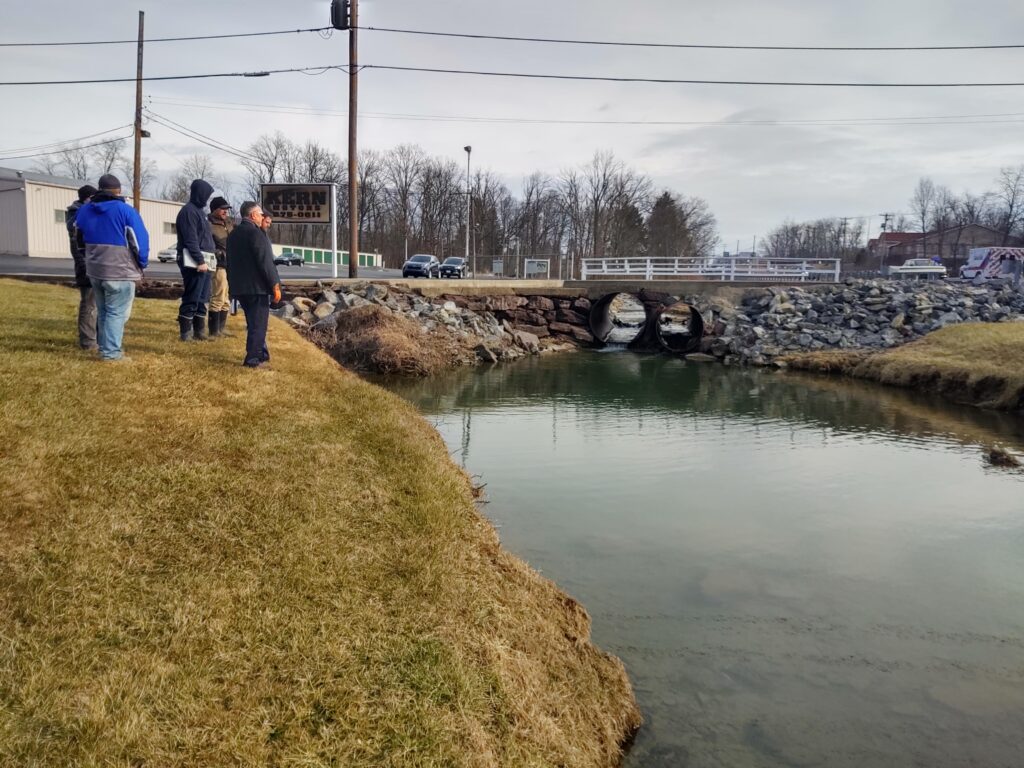
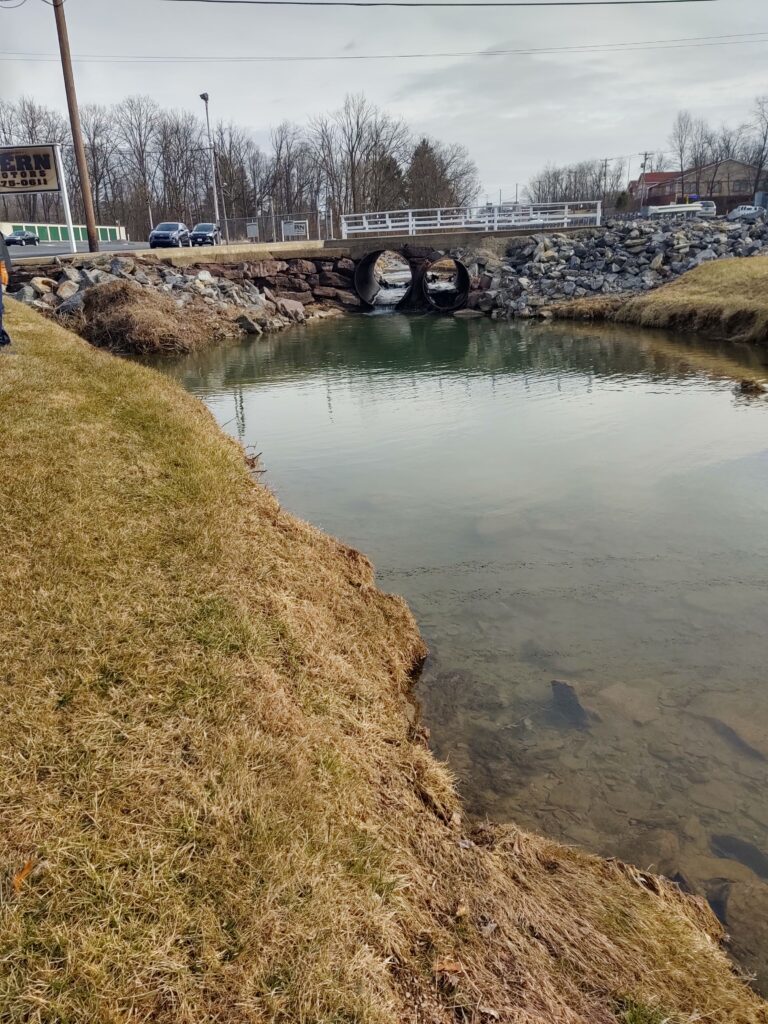
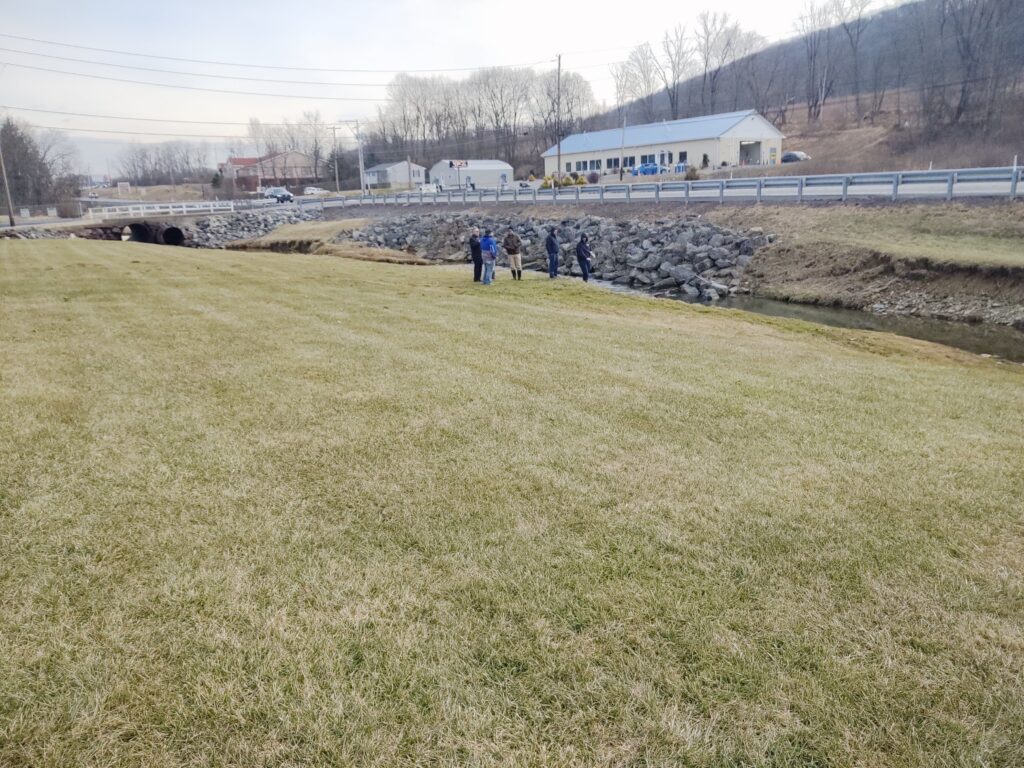
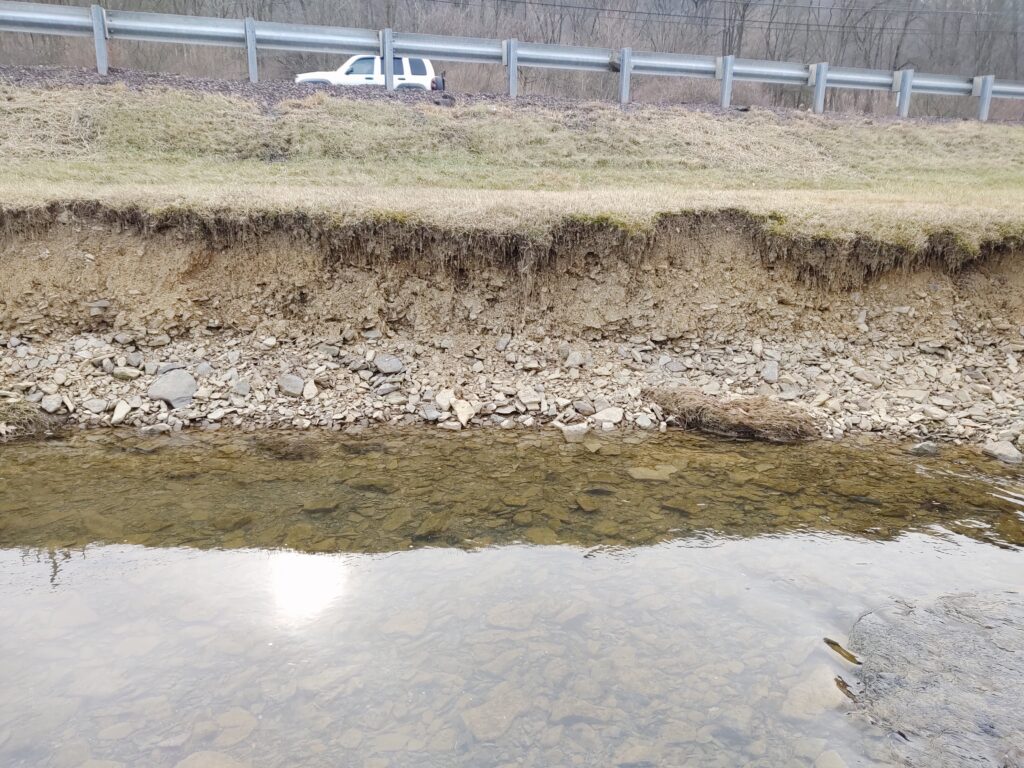
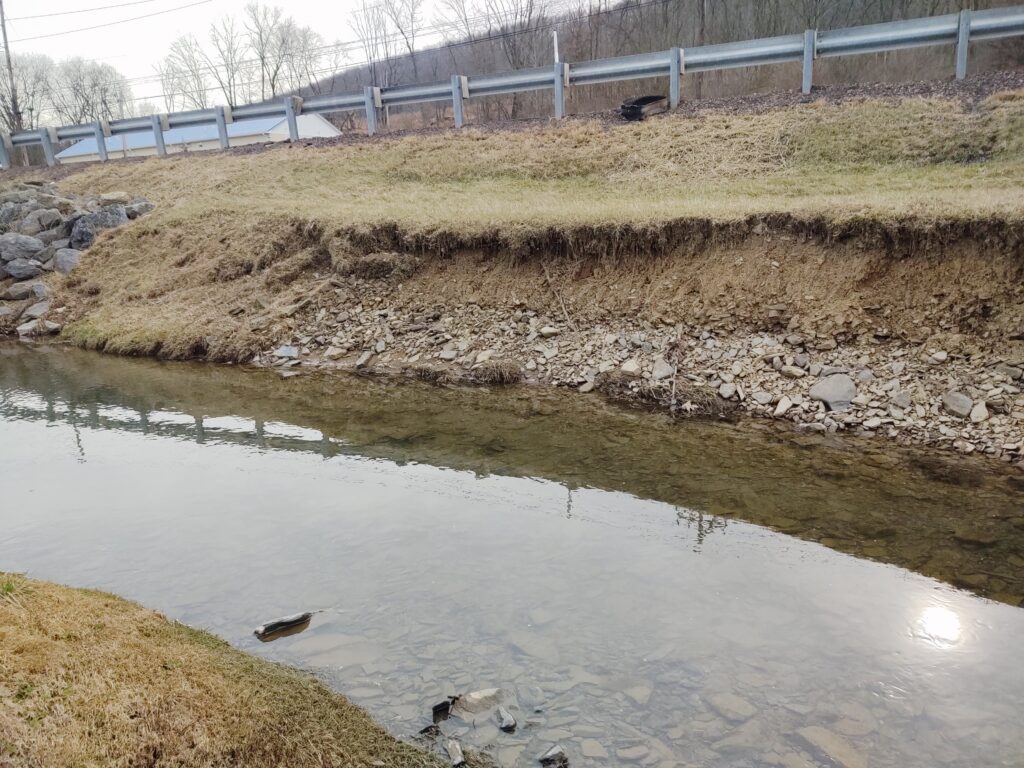
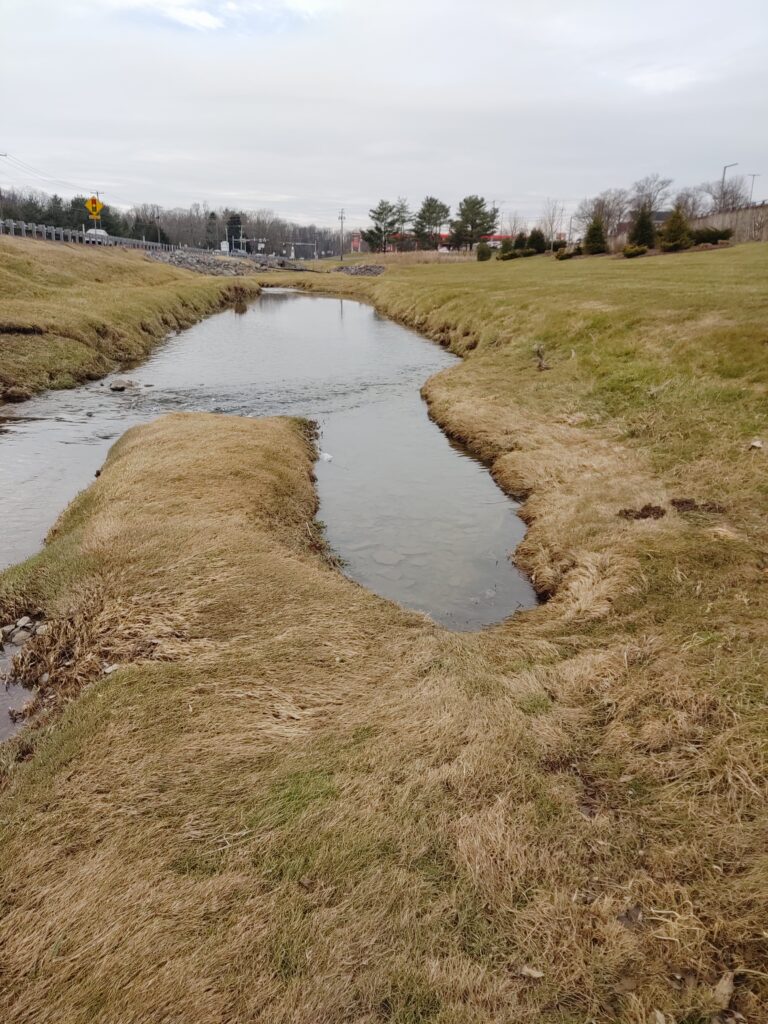
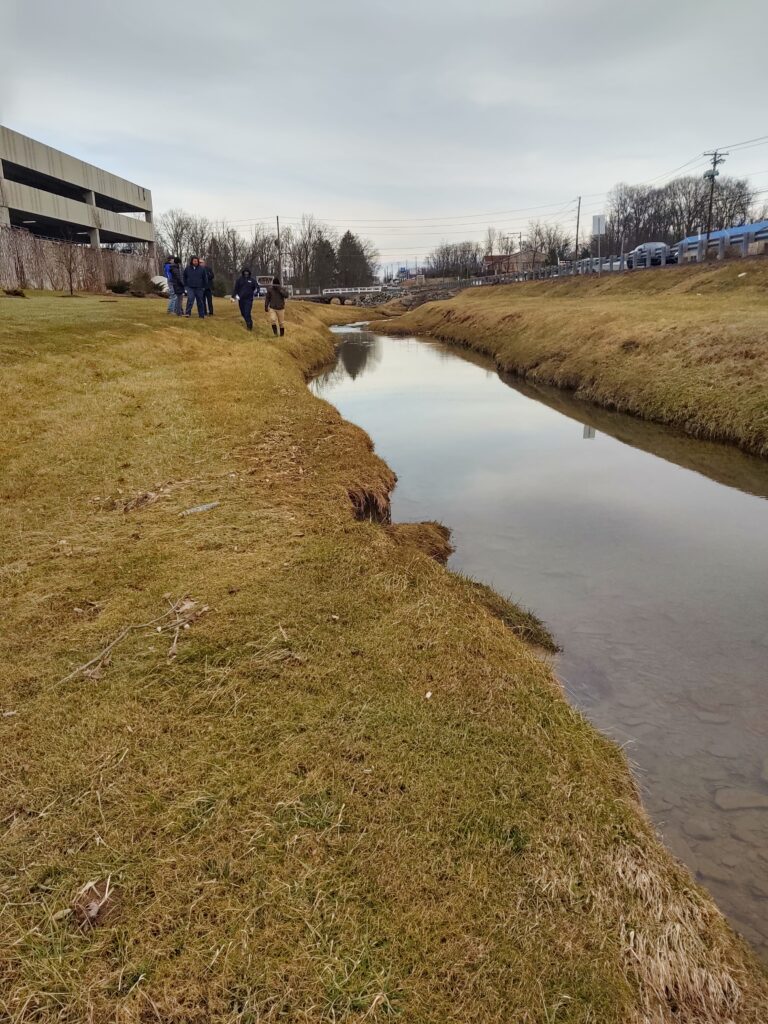
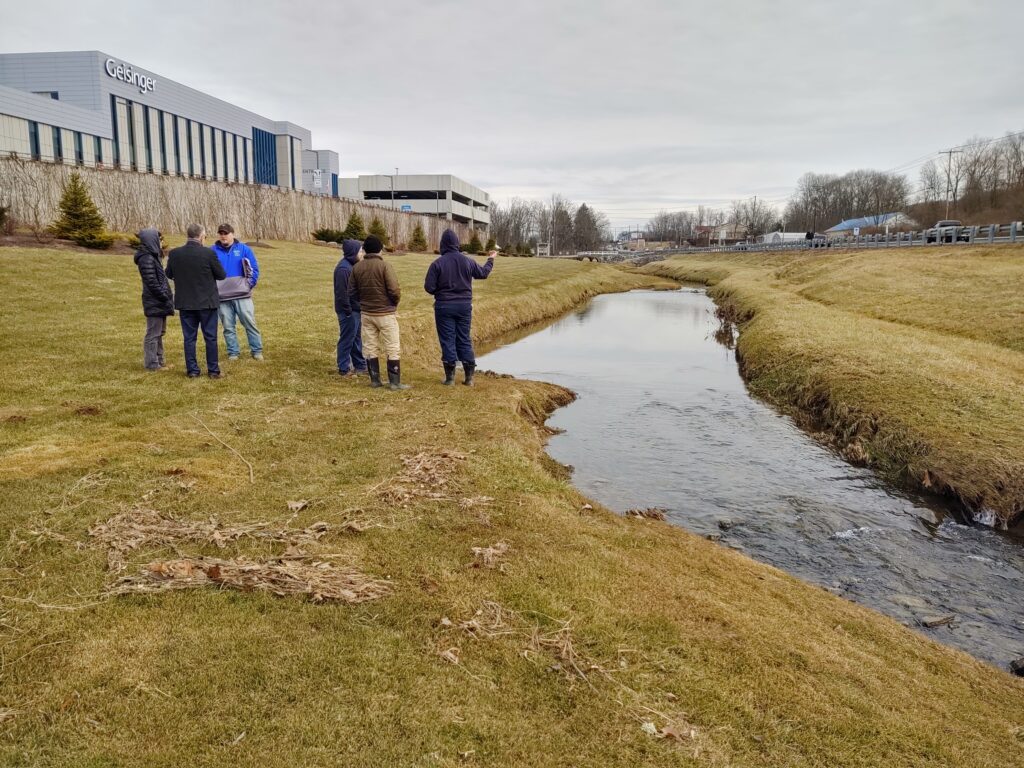
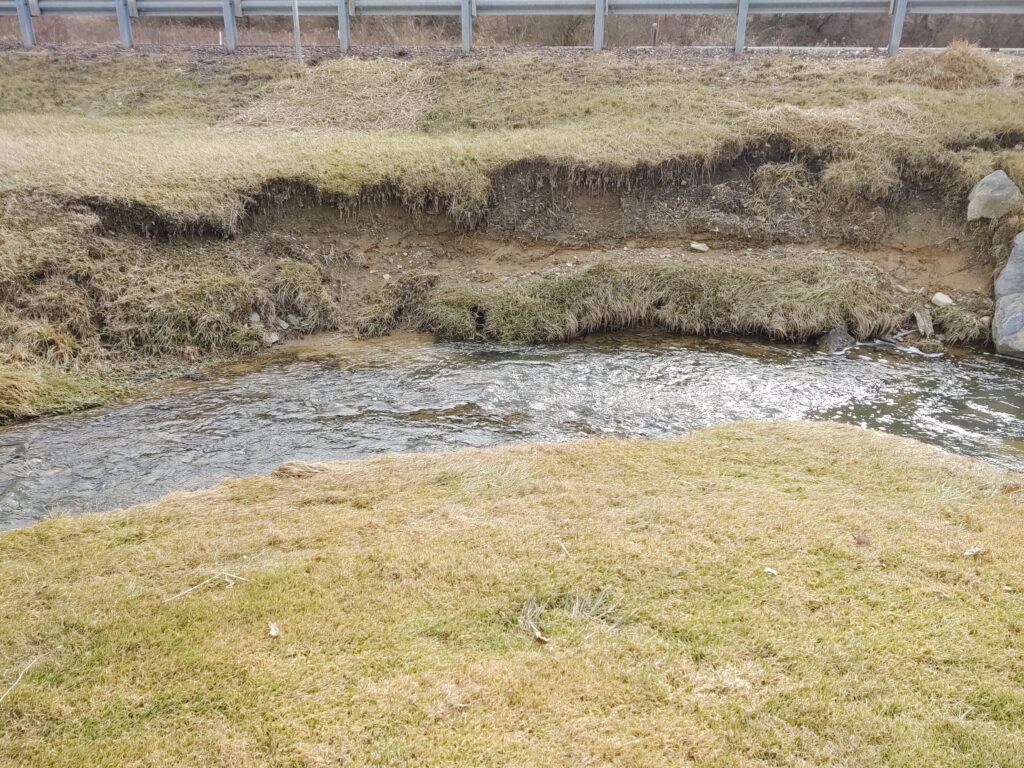
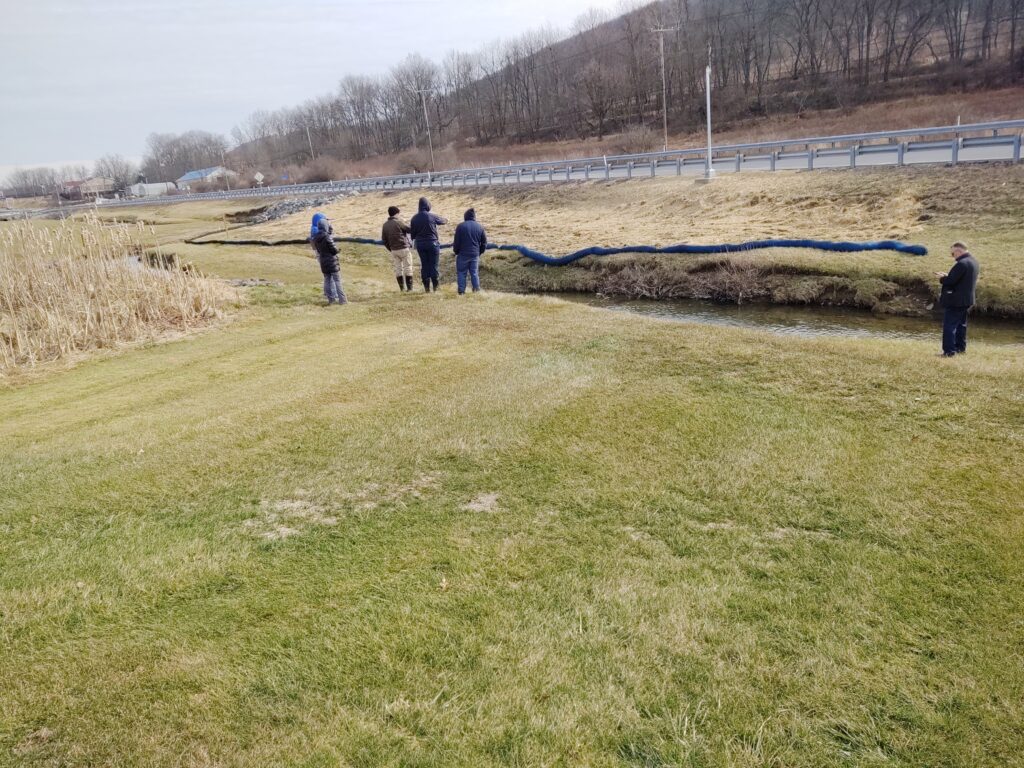
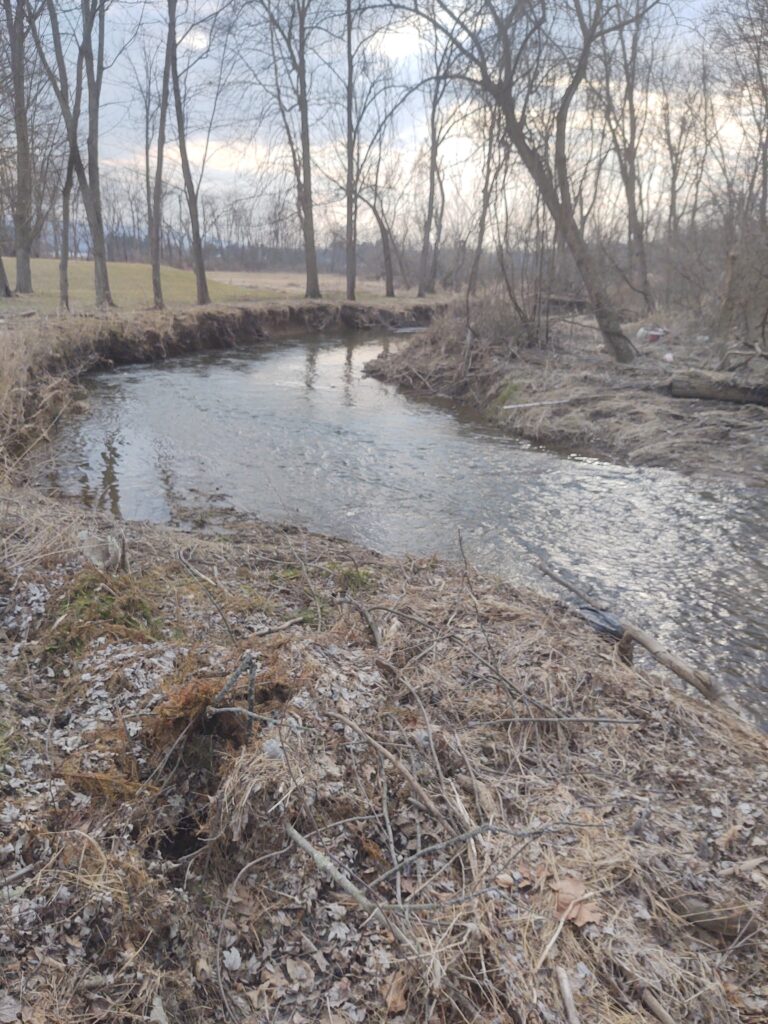
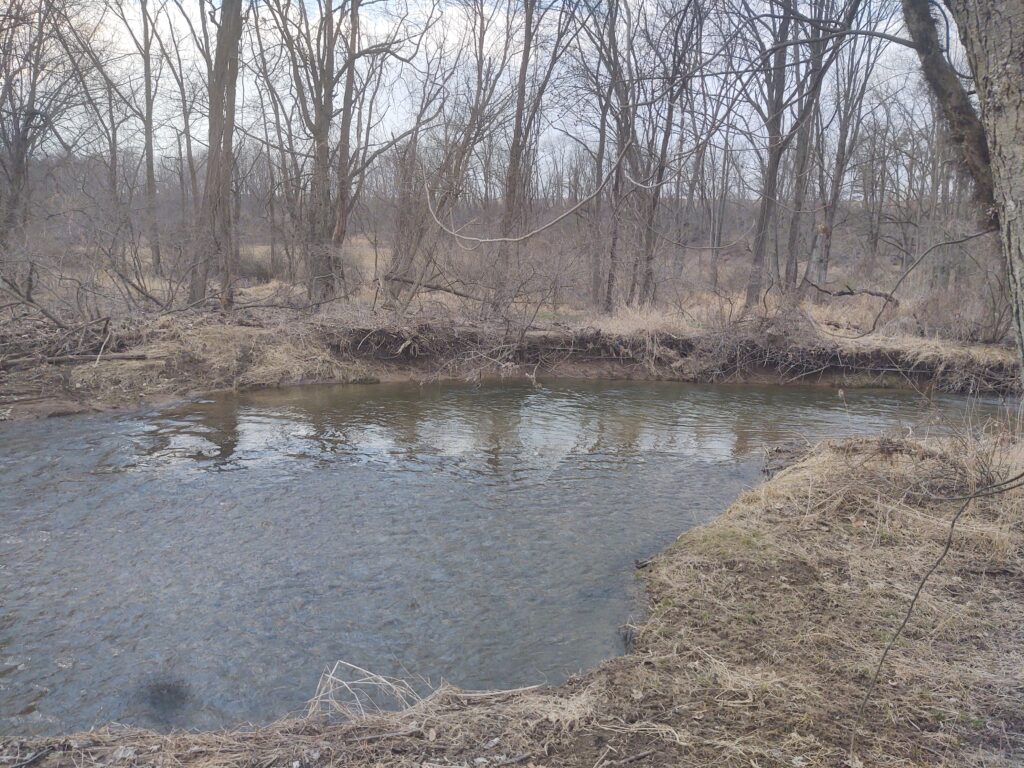
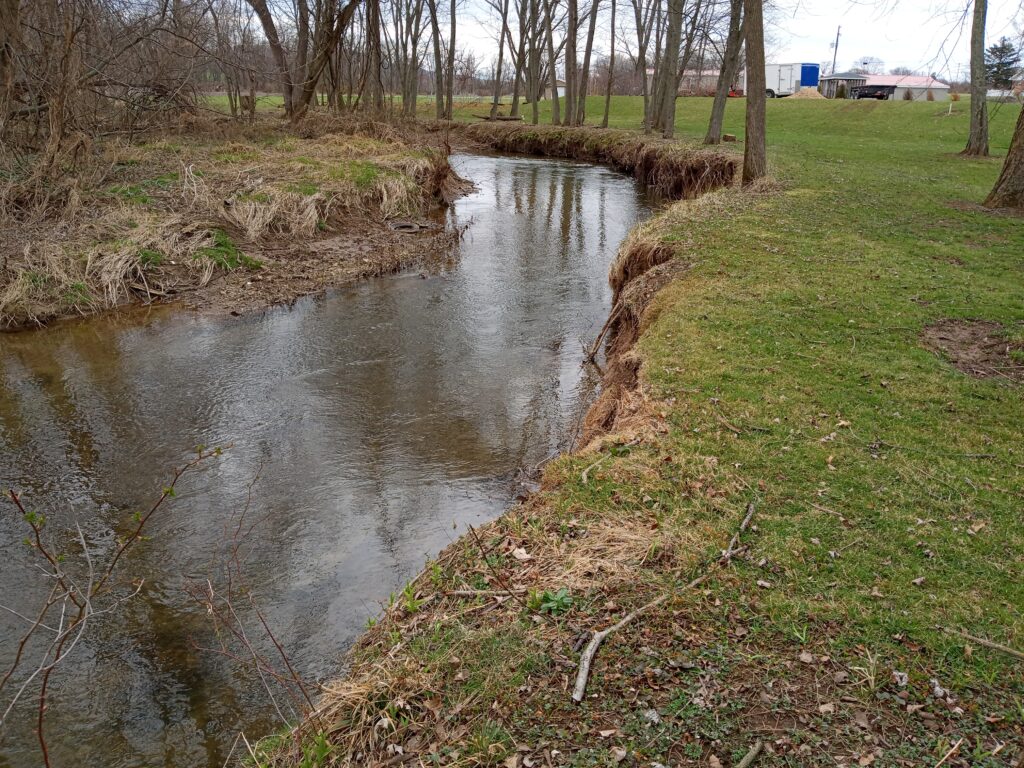
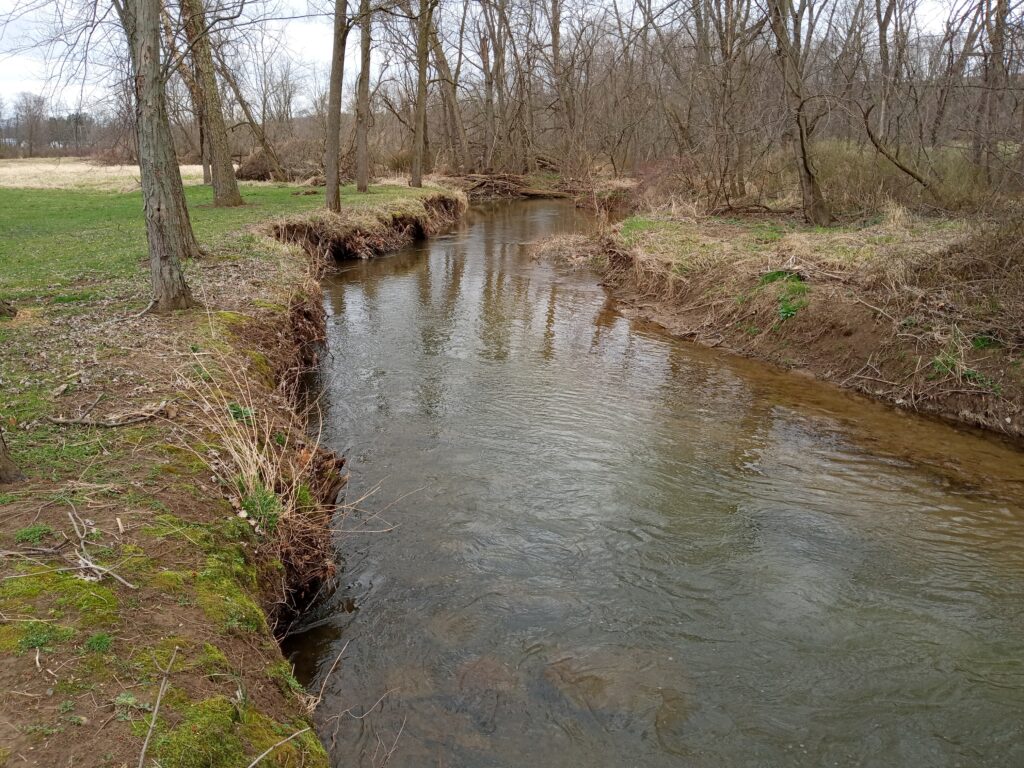
A stream without a buffer (typically mowed up to the edges, with little to no trees or shrubs) will likely experience: Erosion, water pollution & sediment, reduced habitat, increased water and ground temperatures, no flood mitigation, and little to no shade for the aquatic ecosystem.
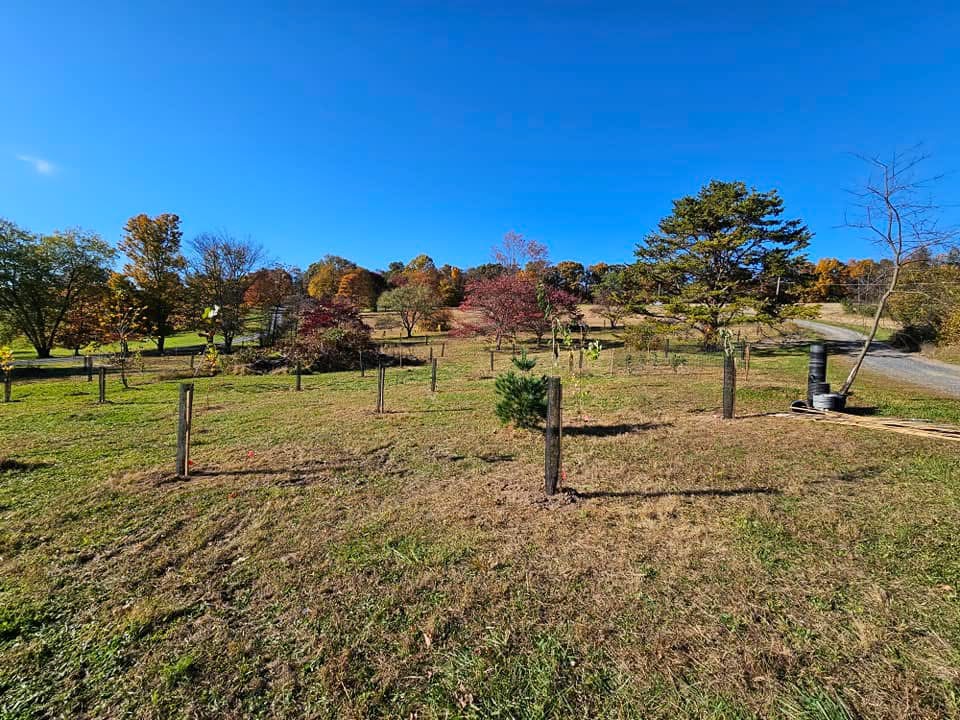
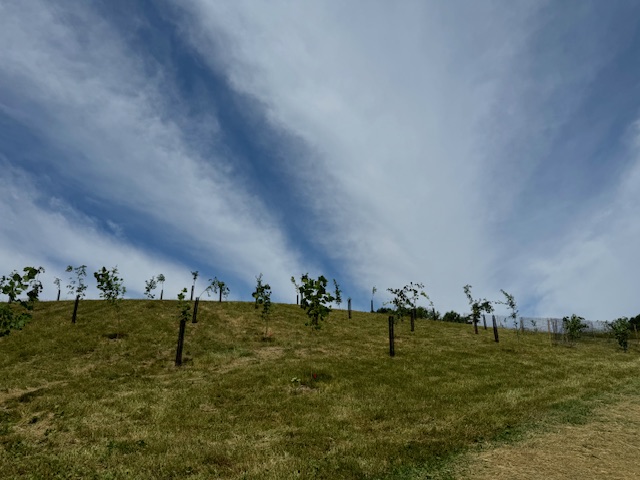
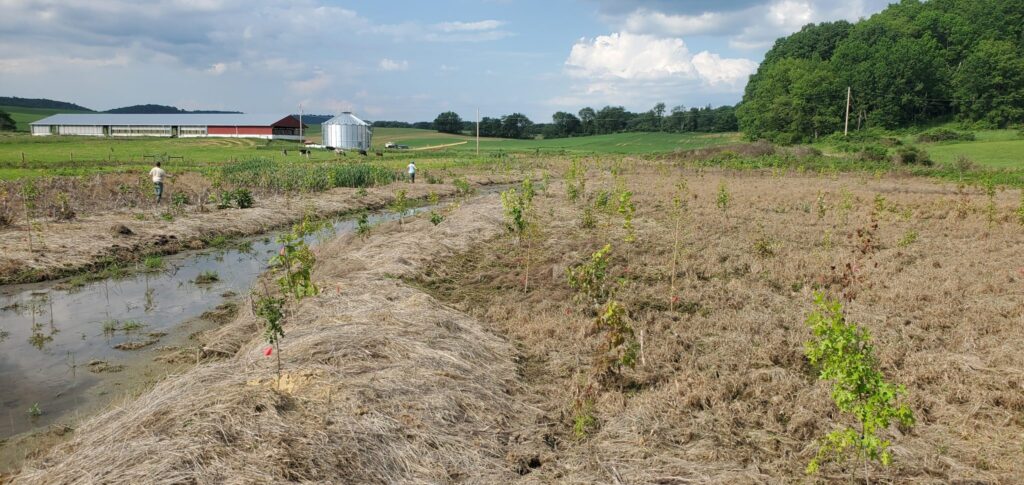
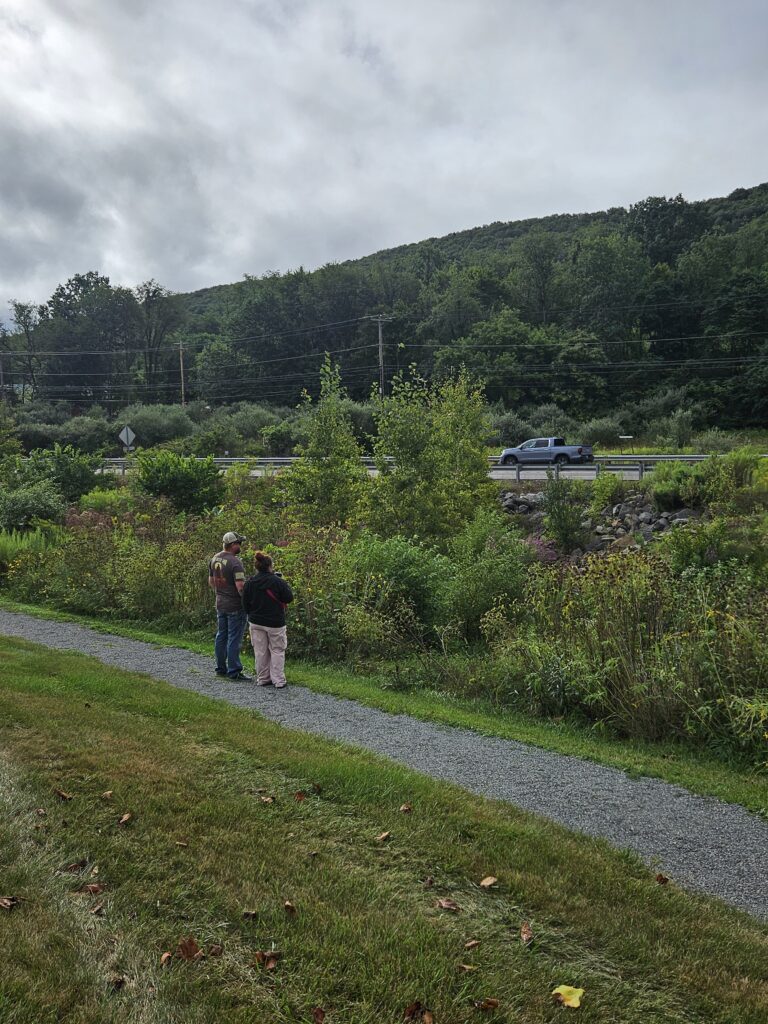
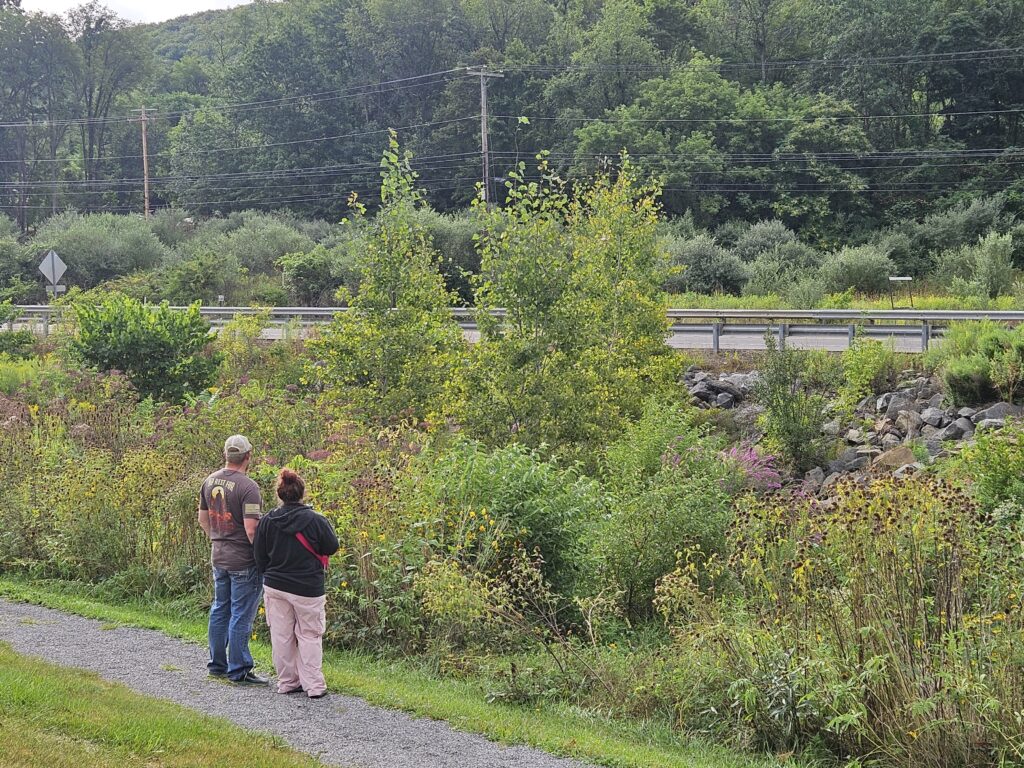
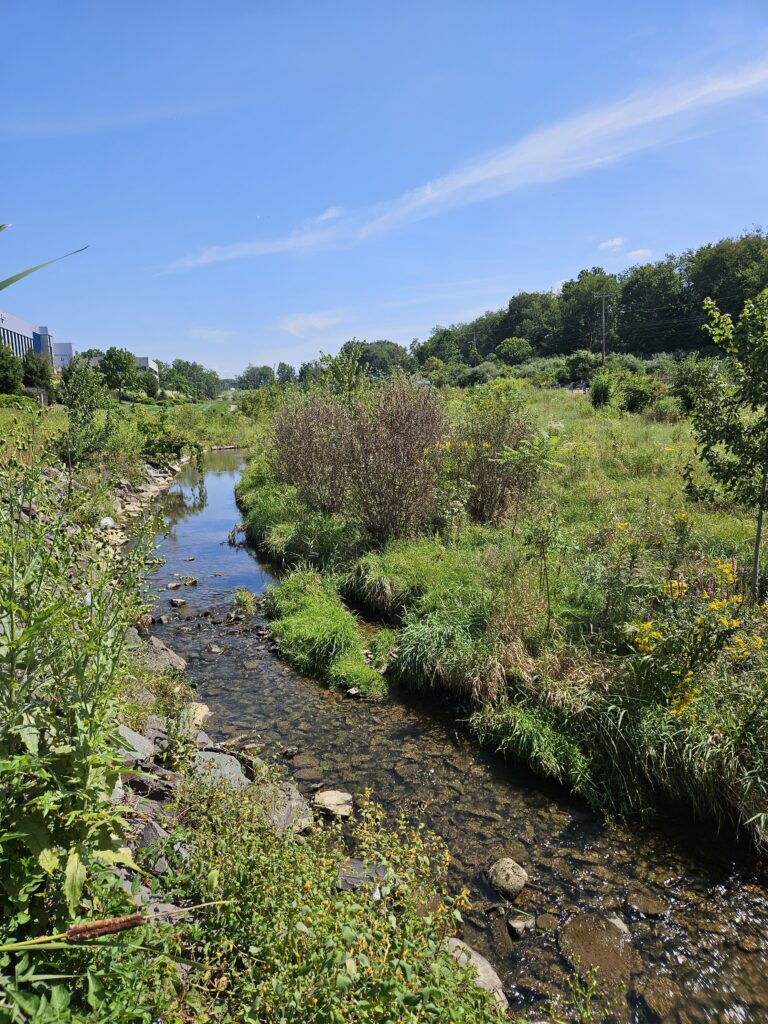
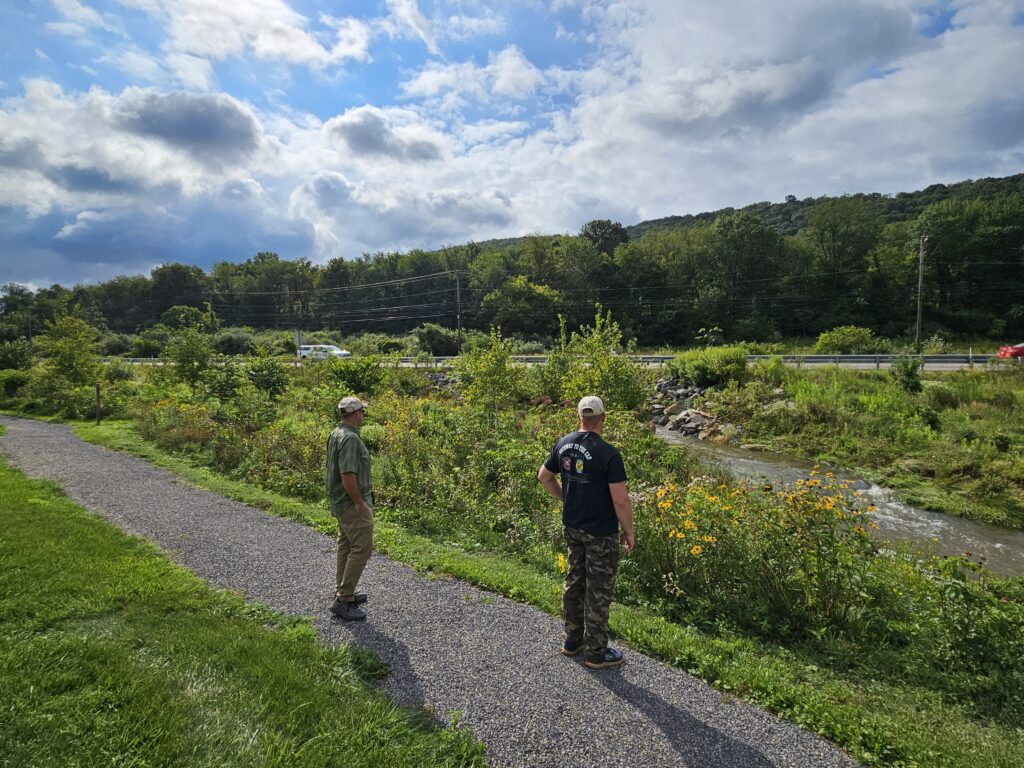
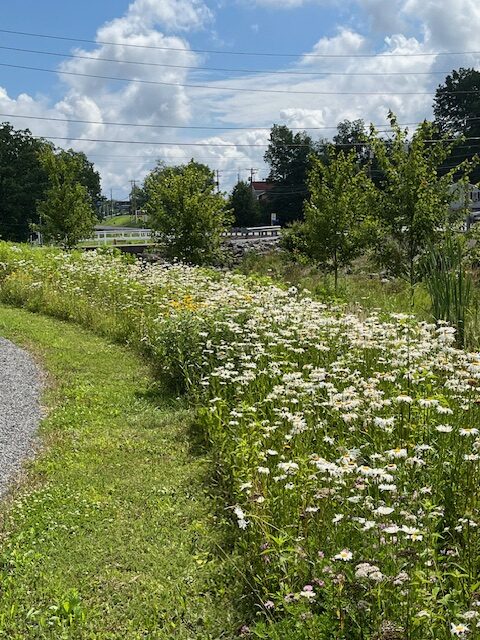
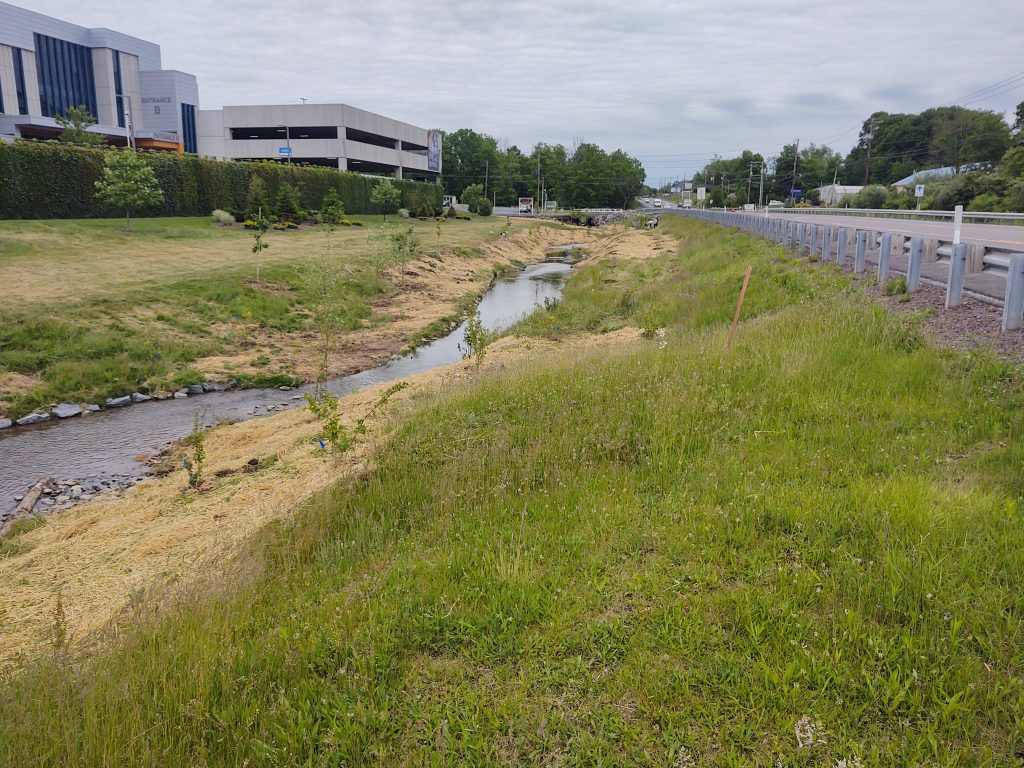
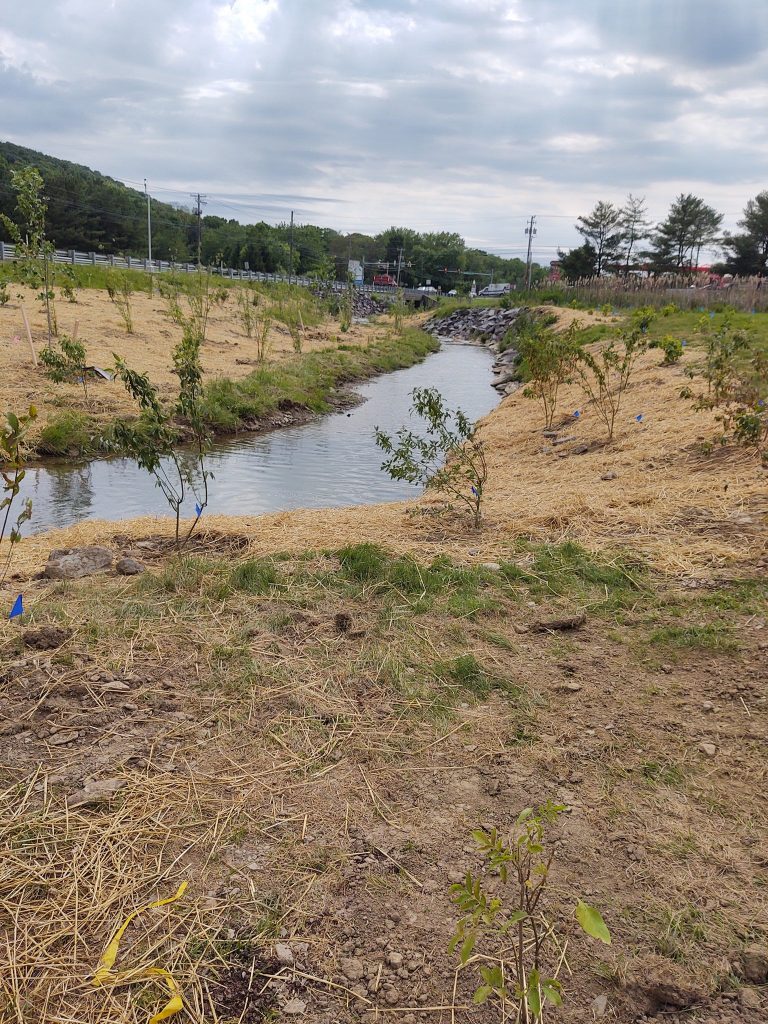
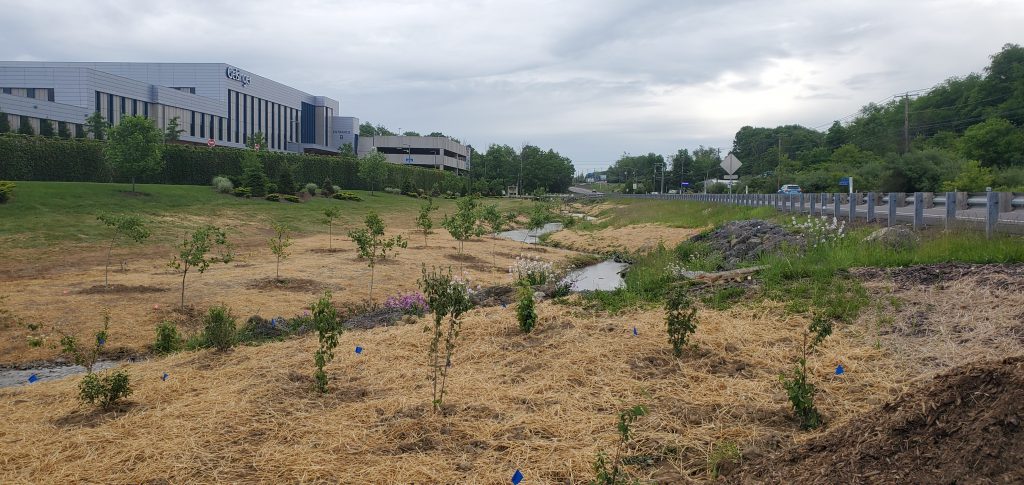
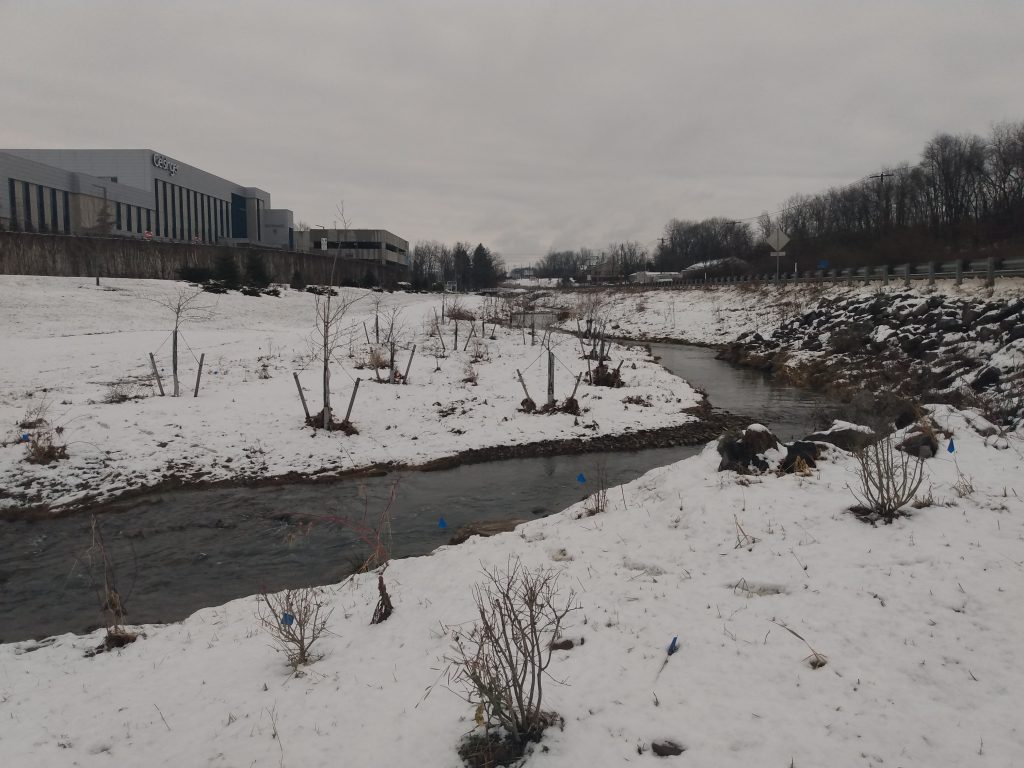
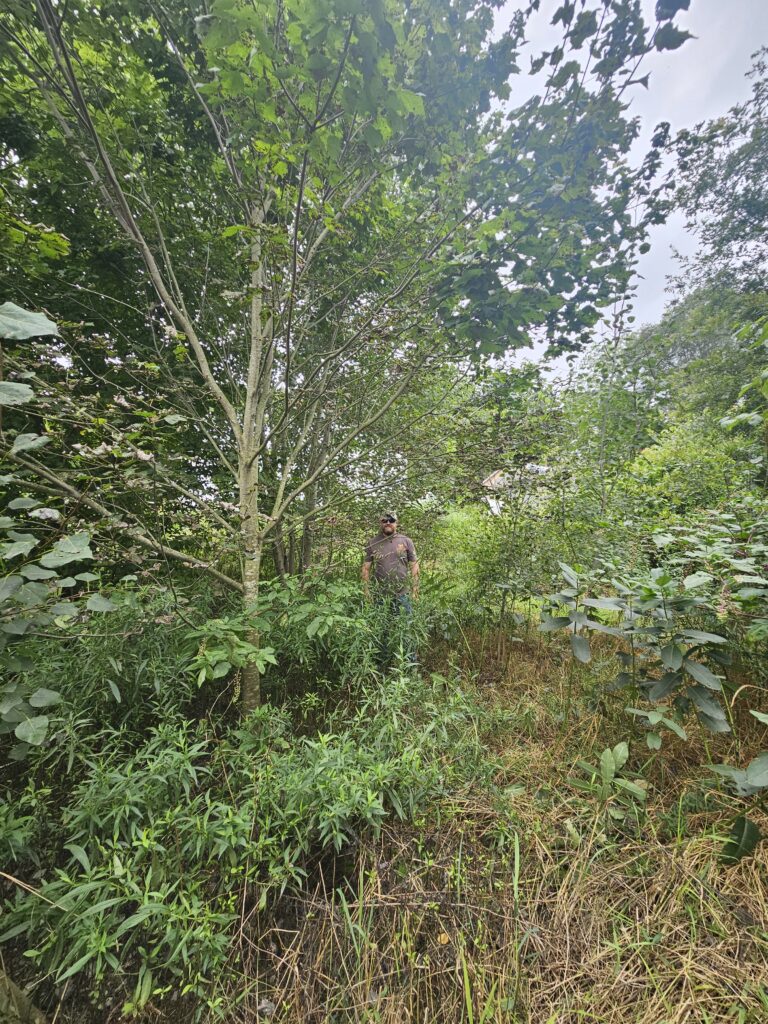
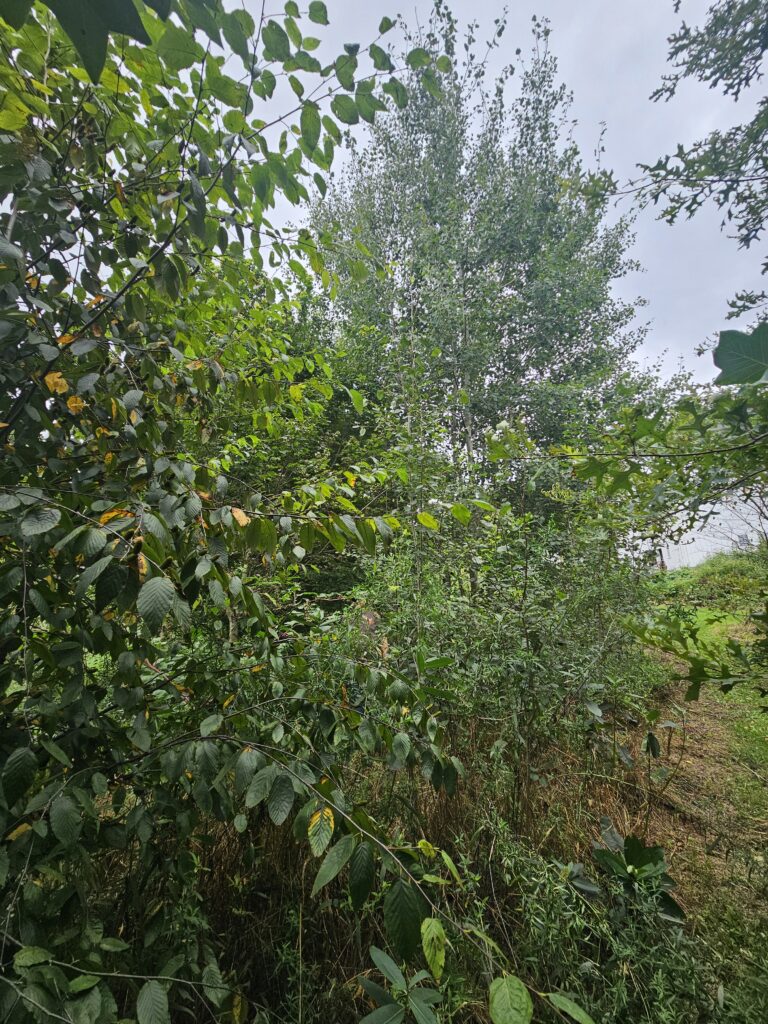
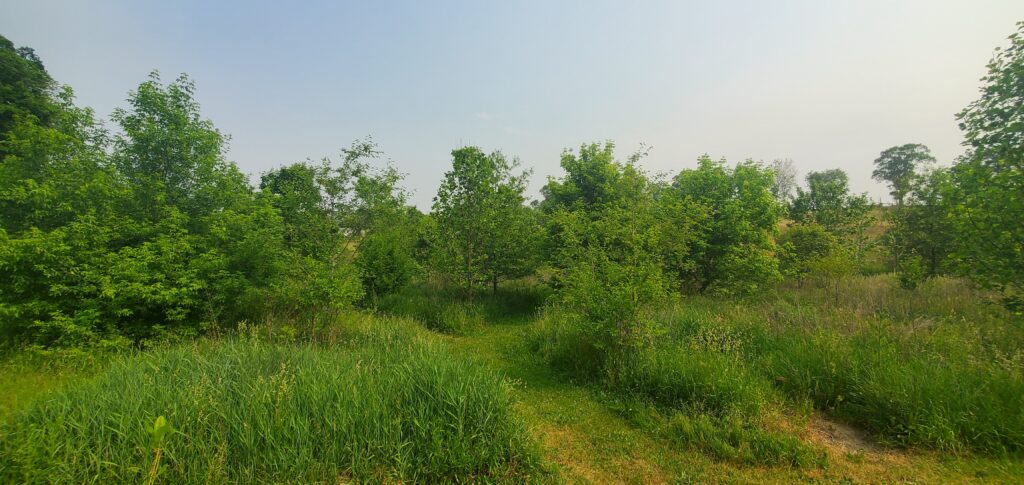
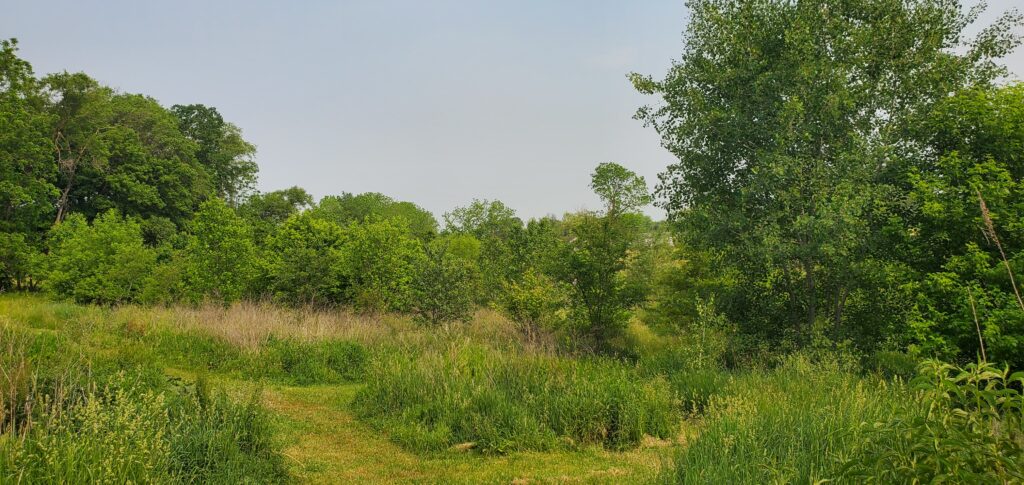
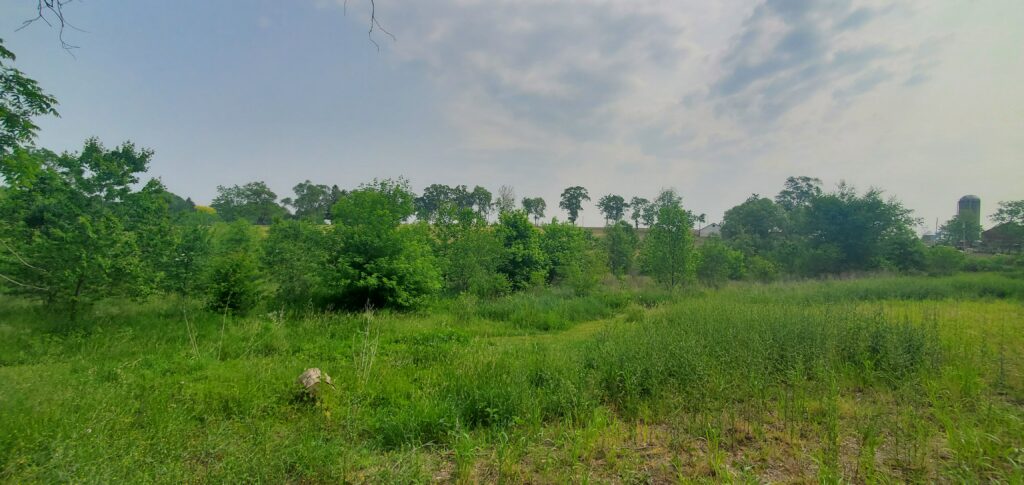
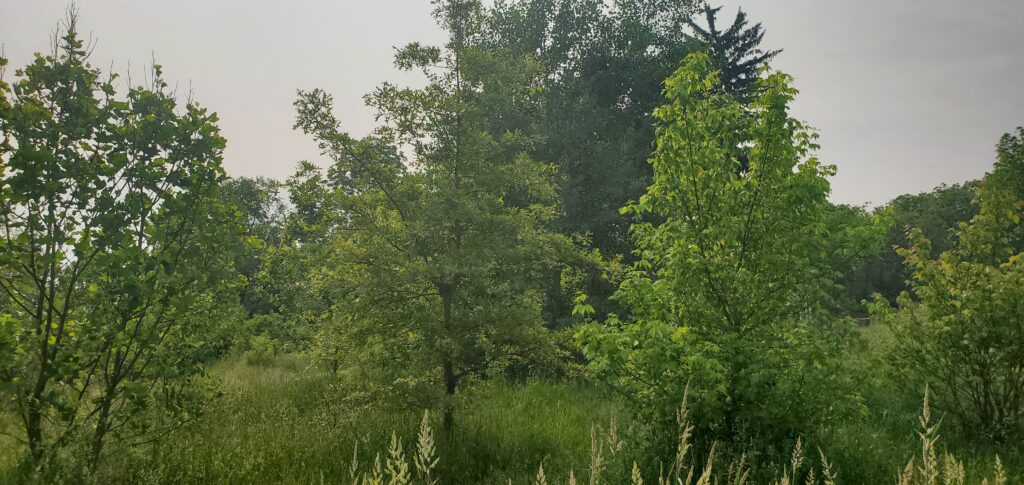
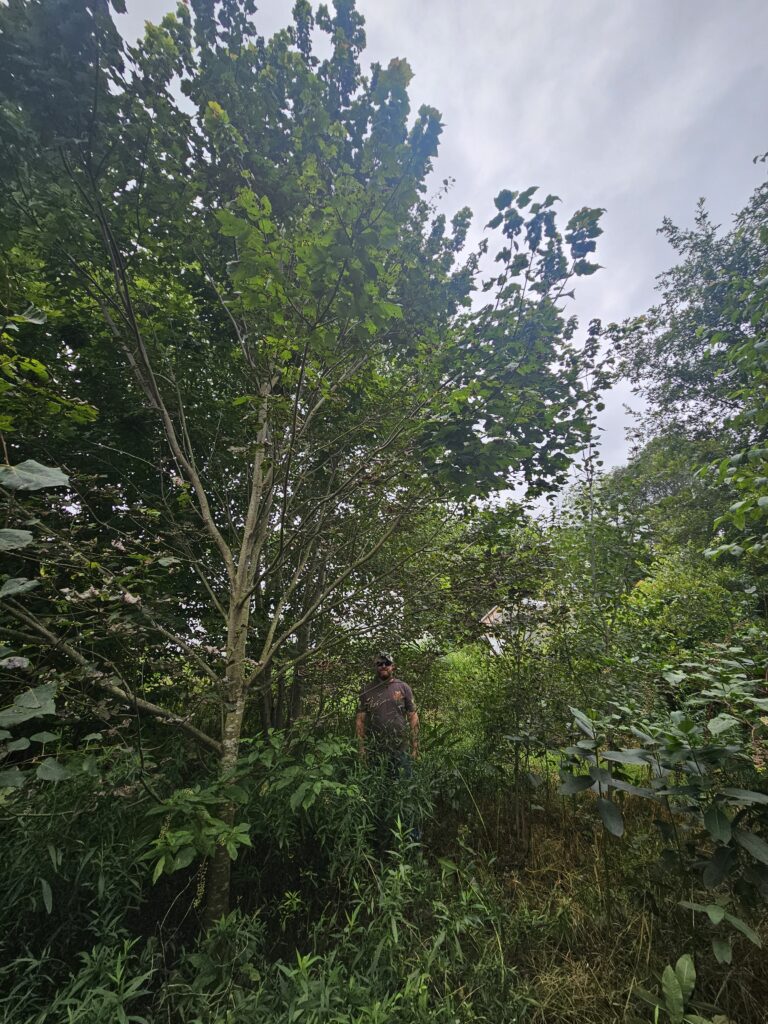
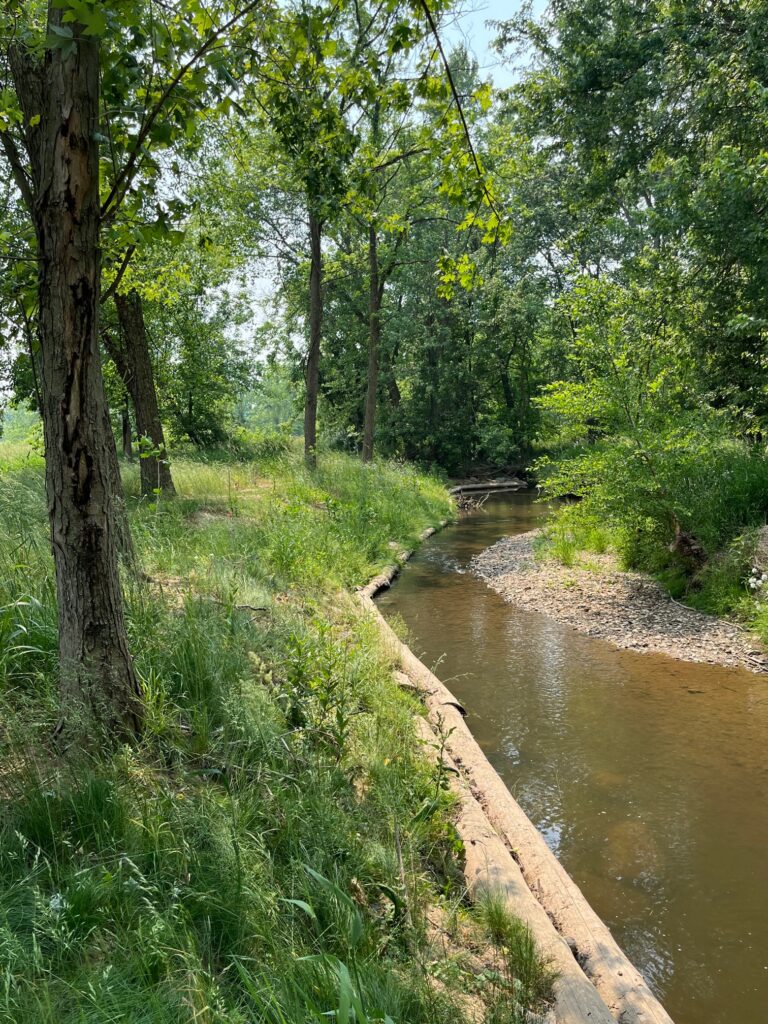
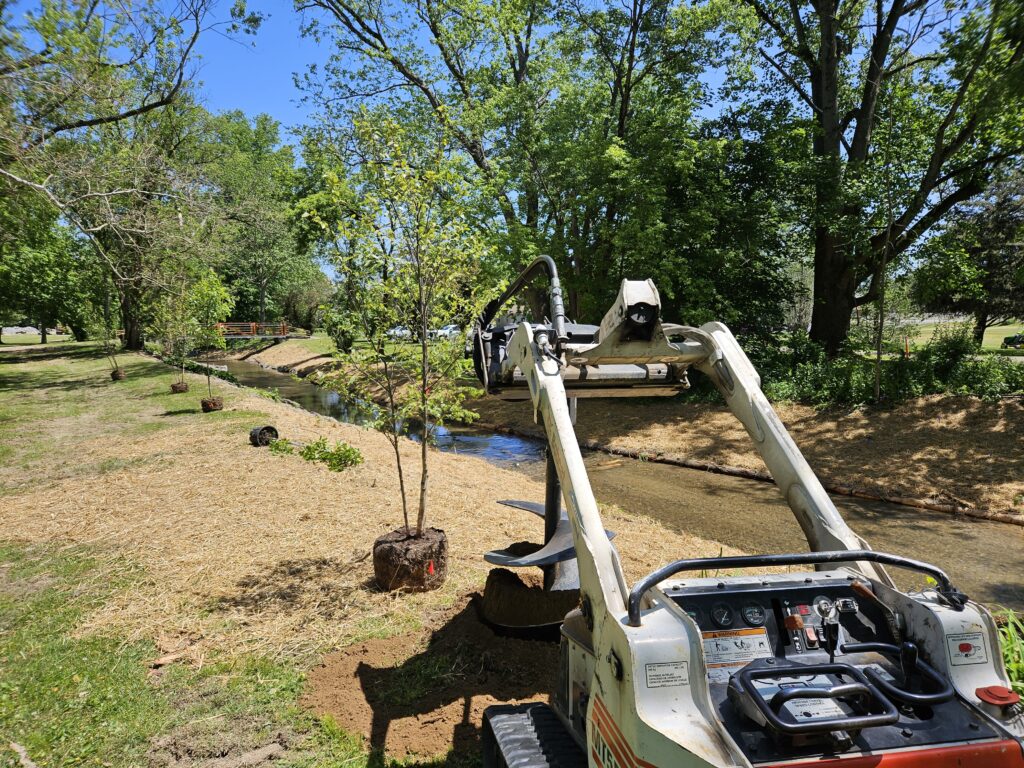
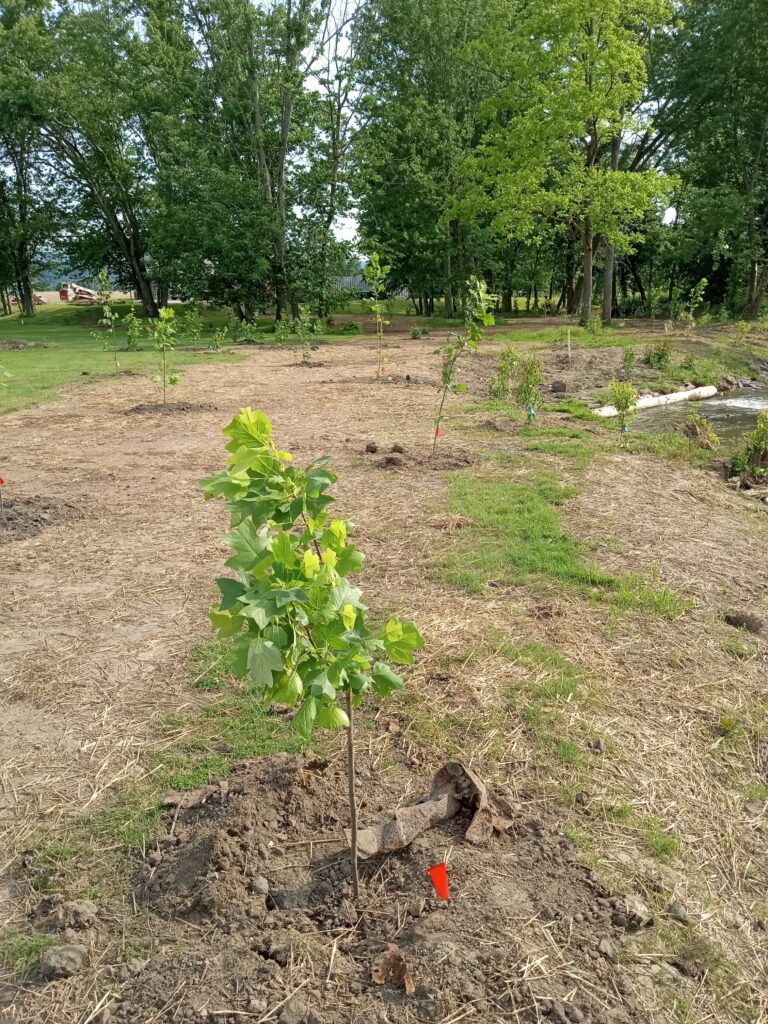
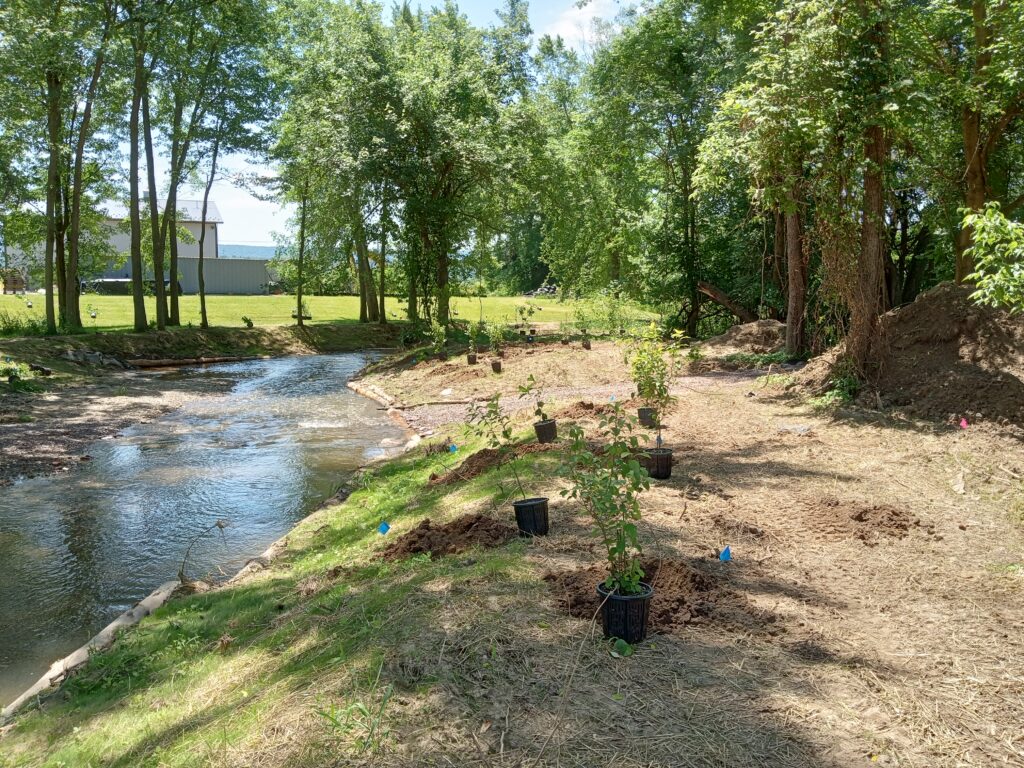
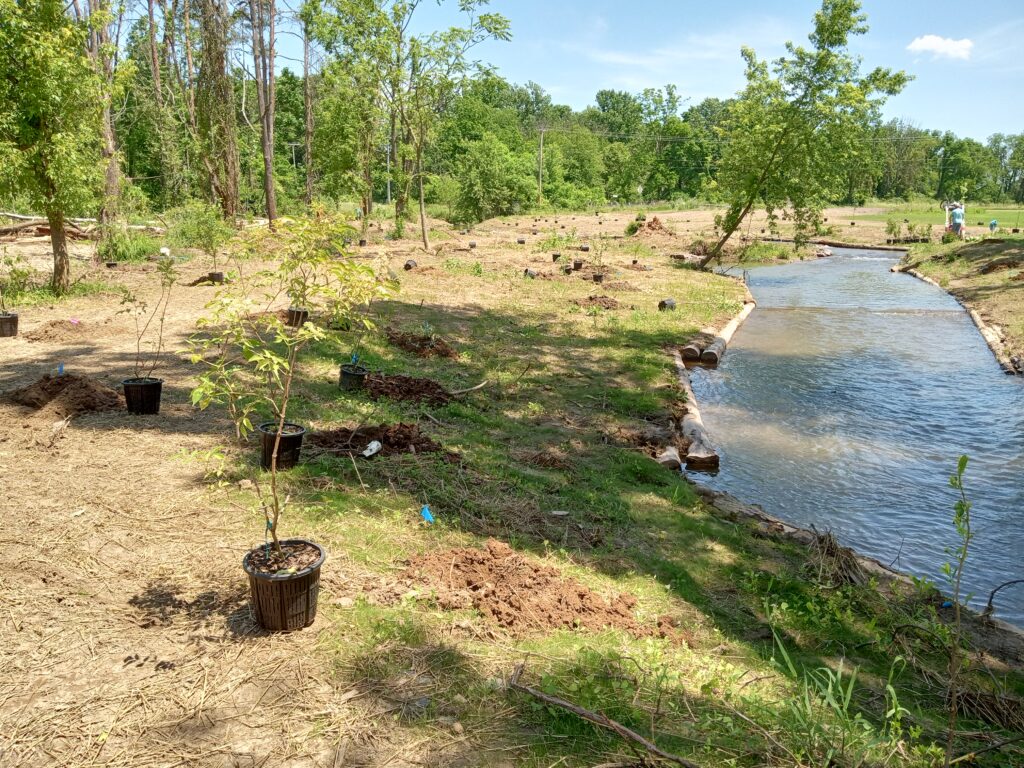
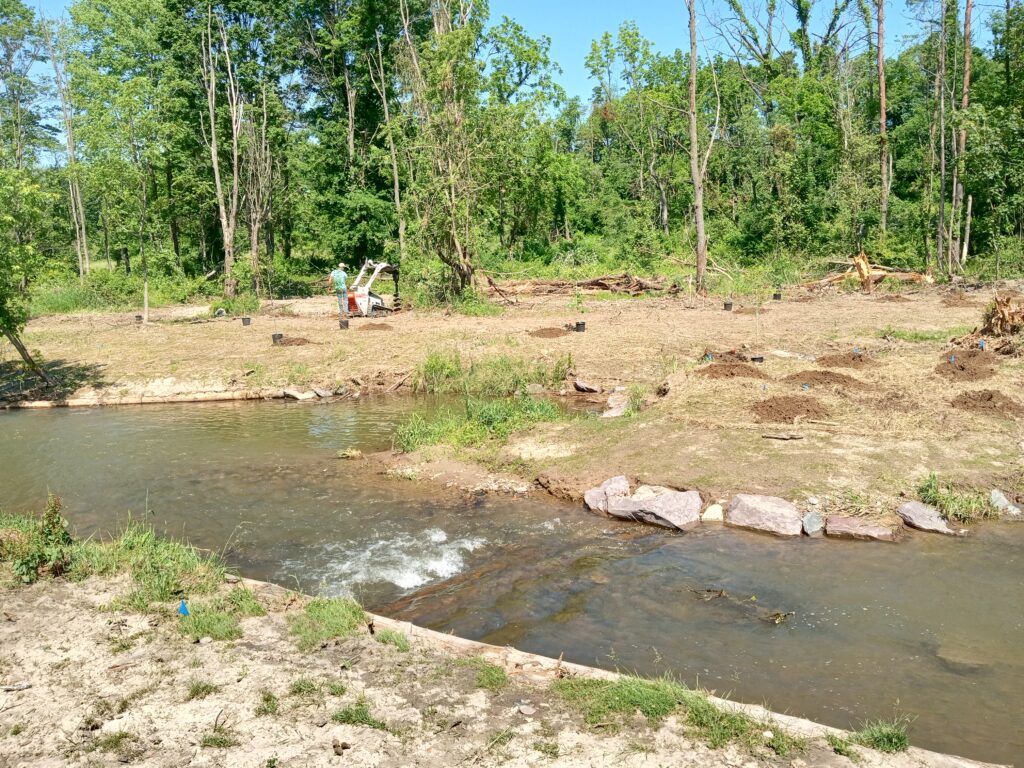
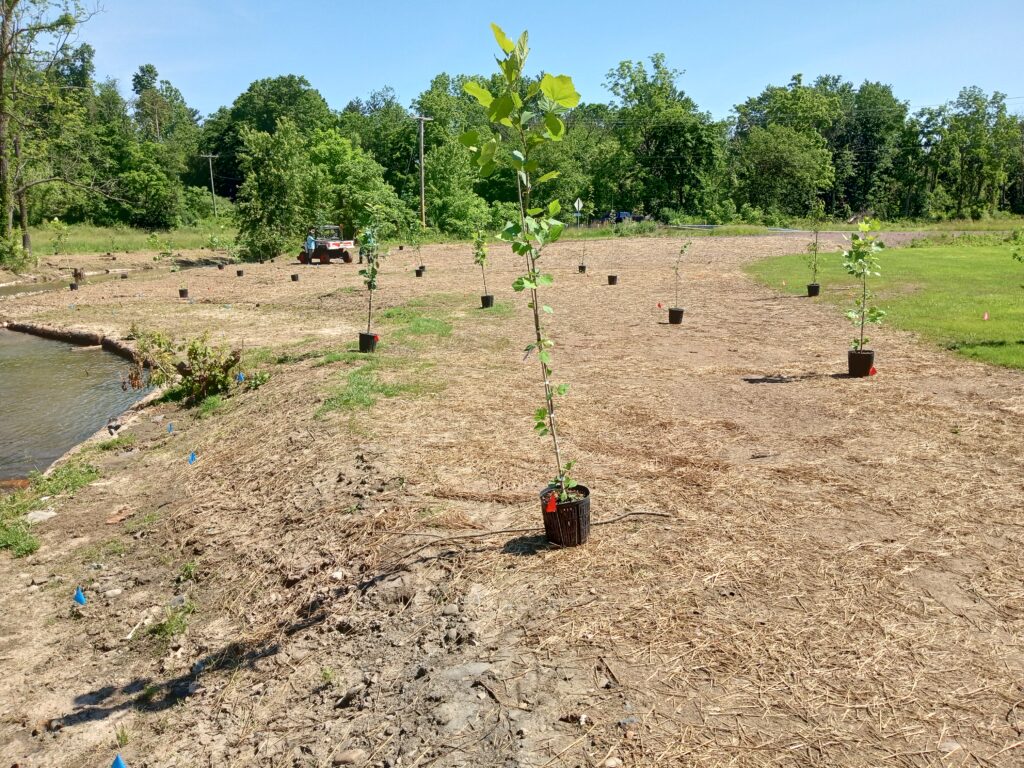
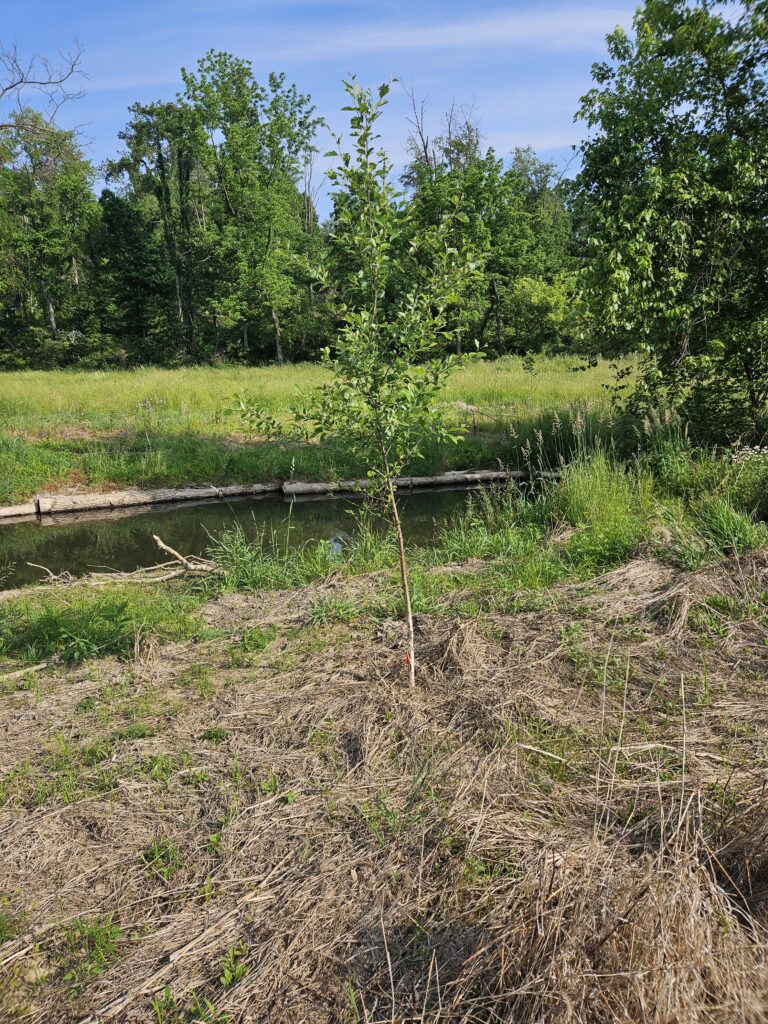
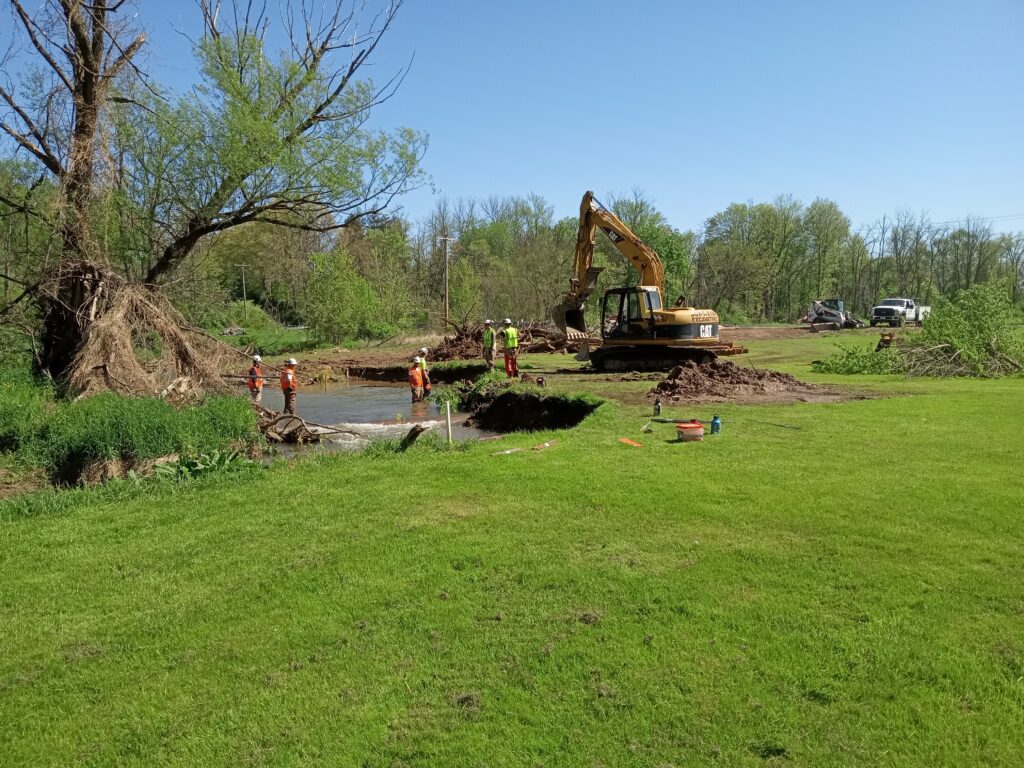
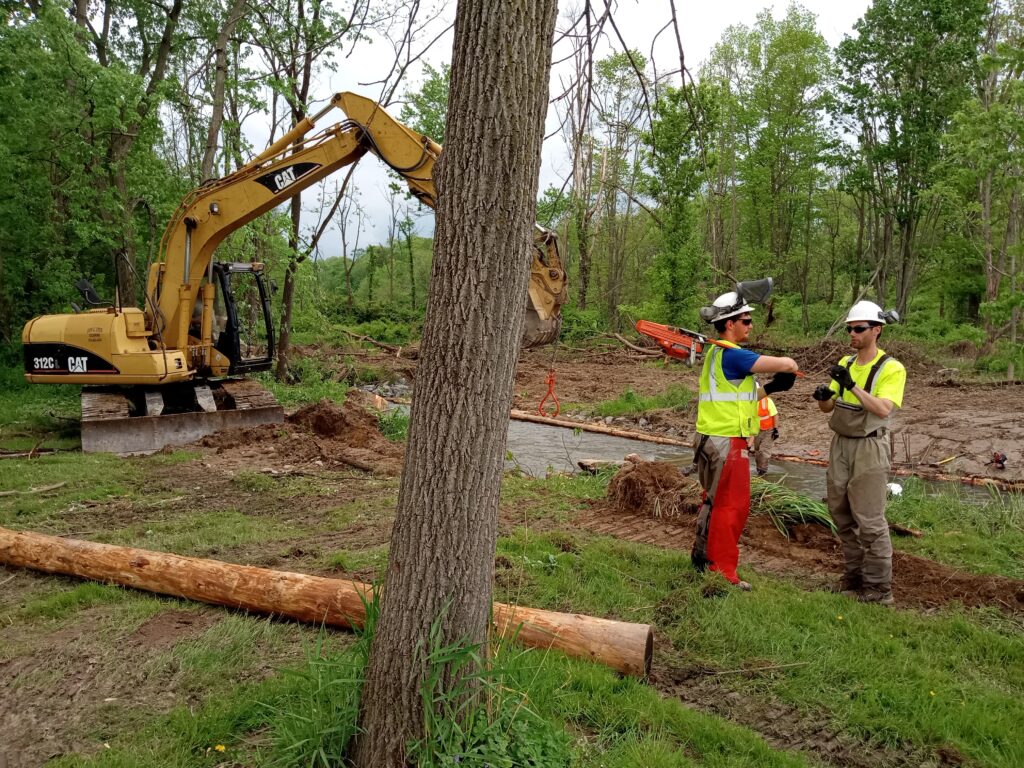
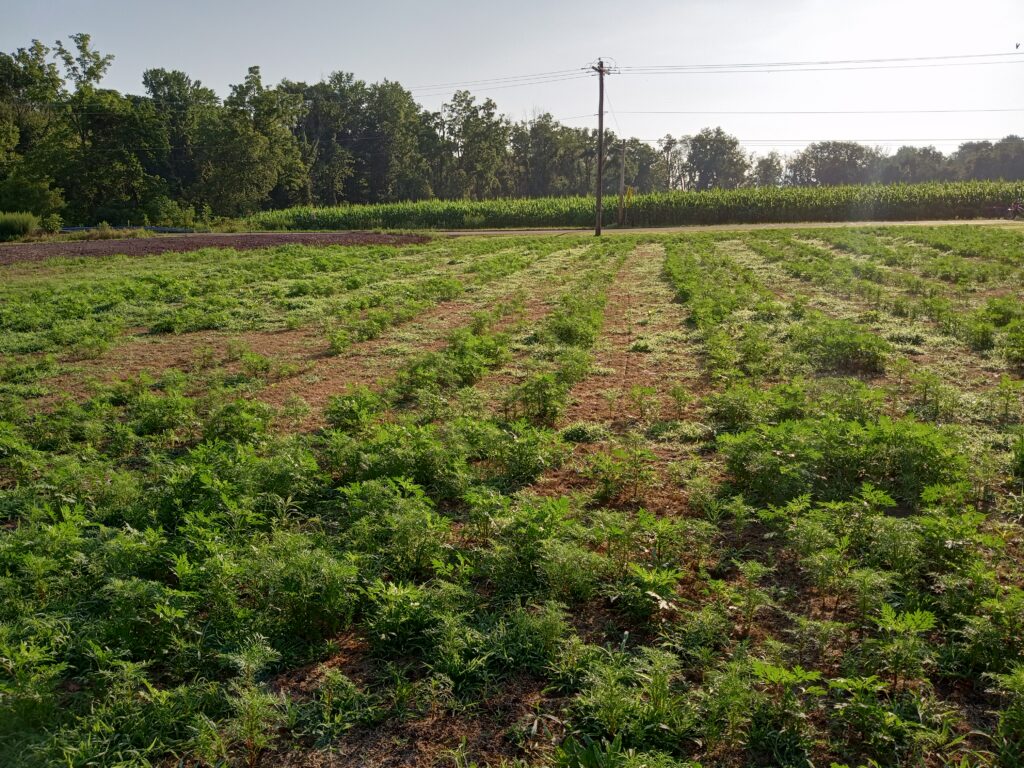
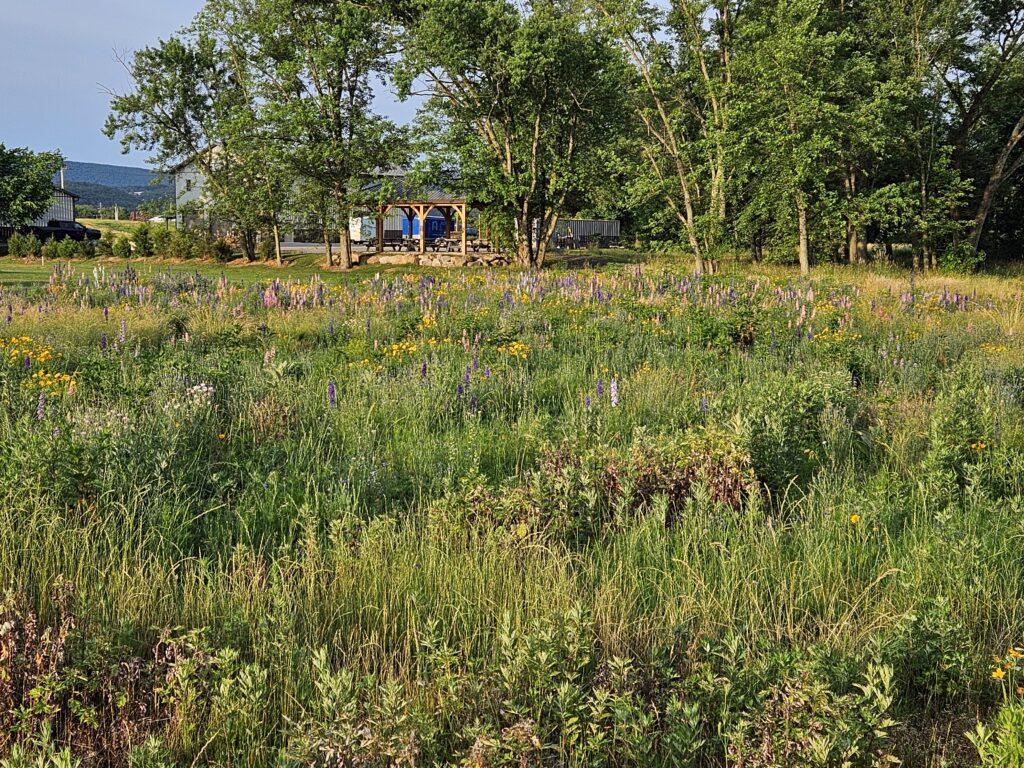
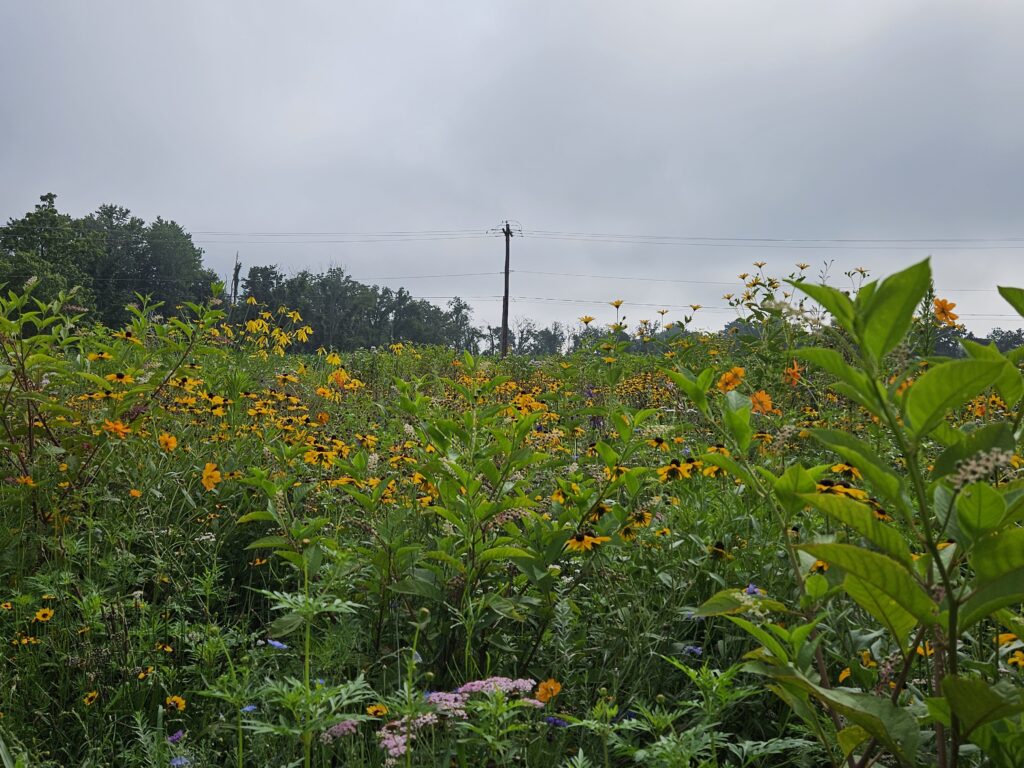
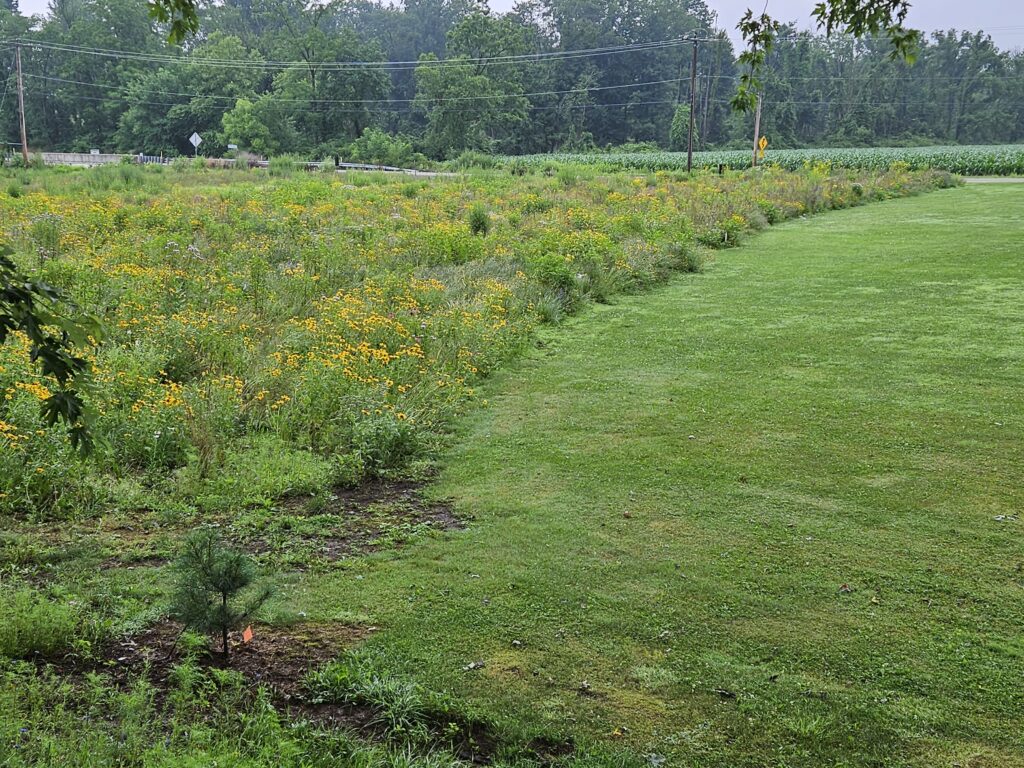
A riparian buffer consists of trees, shrubs, and/or other perennial plants, and helps reduce erosion, improve the health of streams and watersheds, and provide habitat for wildlife and aquatic life.

We are proud to be a Chesapeake Bay Landscape Professional
Benefits of Riparian Buffers:
Riparian buffers are located by streams, lakes, or wetlands and provide a variety of benefits, including:
- Maintaining the health of our waterways
- Filtering the sediments and pollutants from farm fields, residential lawns, and roadways
- Providing shade and partial protection from the impact of adjacent land uses
- Improving water quality in nearby streams, rivers, and lakes while helping to reduce pollution
- Providing stream bank stabilization/erosion control
- Aiding in reversing the decline of aquatic ecosystems due to agricultural use of the surrounding lands
- Providing habitat for invertebrates, fish, and other wildlife
- Creating wildlife and pollinator travel/feeding areas
- Creating natural water storage/ helps reduce flooding
Types of Riparian Buffers
The Conventional Buffer
Conventional buffers provide the basic benefits such as filtration of runoff, stabilization of stream and creek banks, erosion reduction, etc., but are primarily single-function.
Multifunctional Riparian Buffers
Multifunctional buffers are designed to give the landowner more functional use of the buffer. By including native fruits, nuts, and some non-invasive domestic fruit crops, this creates a more multifunctional/recreational aspect in addition to the ecological benefits of a riparian buffer.
Multifunctional Riparian Buffers are separated into zones:
Zone 1: Unmanaged Forest
Approximately 15 feet from the stream edge is the unmanaged forest, planted with native riparian species. This section of the buffer consists of native species that thrive in wet soil conditions.
Some examples of these species may include river birch, sycamore, swamp white oak, red osier dogwood, and black willow.
Zone 2: Managed Fruit and Nut Trees and Shrubs
The permanent vegetation in Zone 2 helps to absorb and store nutrients, slow down flood waters, and break down pesticides that may have been applied to land uphill.
Some examples of plants that are suitable in zone 2 are elderberry, serviceberry, chokeberry, raspberry, highbush blueberry, persimmon, pawpaw, black walnut, and american hazelnut.
Zone 3: Managed Woody Florals and Forbs
Zone 3 can extend to 50+ feet from the end of Zone 2. This section is the first line of defense to intercept sediment and nutrient runoffs from farms, developments, lawns, etc.. Plantings in this zone have a lot of variety. They can be edible, used as biofuel, or have aesthetic qualities, and are not necessarily required to be native (as long as they are not invasive).
Some examples of these plants include dogwood, pussywillow, quince, witch hazel, perennial wildflowers, and warm and cool season grasses.
Large Scale Riparian Buffers
These are areas adjacent to waterways, typically including a combination of trees, shrubs, and/or other perennial plants. These buffer zones are managed differently than the surrounded landscape, with the goal to provide a host of conservation benefits.
Backyard Buffers
Backyard buffers provide many of the same benefits as the large buffers, but on a smaller scale. The benefits of these buffers are mainly targeted towards the homeowners. This helps to protect the nearby aquatic environments, and provide pollinator friendly native grasses and perennials. There are also many native trees and shrubs, which provide fruits, nuts, aesthetics, and function to the backyard. This type of “homeowner conservation” often results in higher property values, helping to protect and preserve these natural buffer zones.
Start Your Landscape Transformation
In Three Simple Steps
Schedule Your Consultation
Tell us about your commercial, residential, or conservation project.
Get a Custom Conservation
Landscape-Based Plan
We assess your property, identify opportunities, and design a plan built around your goals and your site’s natural systems.
Transform
Your Landscape
Our team installs high-quality native plants and systems that thrive long-term — giving you a beautiful, sustainable landscape with less maintenance.
Better Results. Faster!


Client Examples: