
Conservation Landscapes
Conservation Landscaping is the practice of modifying the visible features of an area of land in a way that incorporates environmentally sensitive design, low-impact development, non-invasive native plants, and/or integrated pest management.
Beyond design and installation, NCL actively helps identify, initiate, and advance conservation projects. We work with municipalities, developers, and landowners to develop new initiatives - including riparian buffers, meadow conversions, and habitat restoration projects - guiding them from concept through funding, coordination, and implementation.

We are proud to be a Chesapeake Bay Landscape Professional
Conservation Landscaping Services
Benefits of Conservation Landscapes

Native plants are used in every project
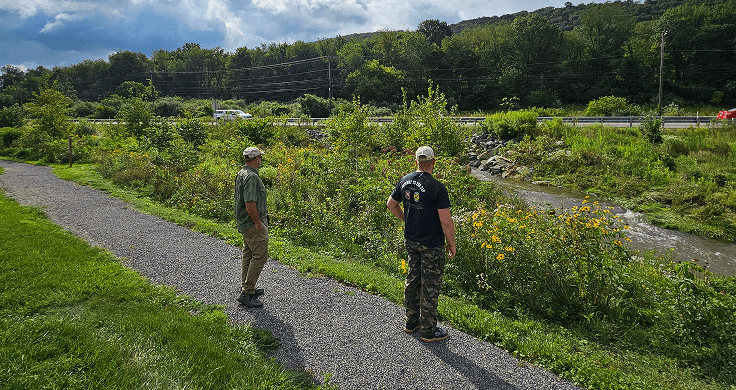
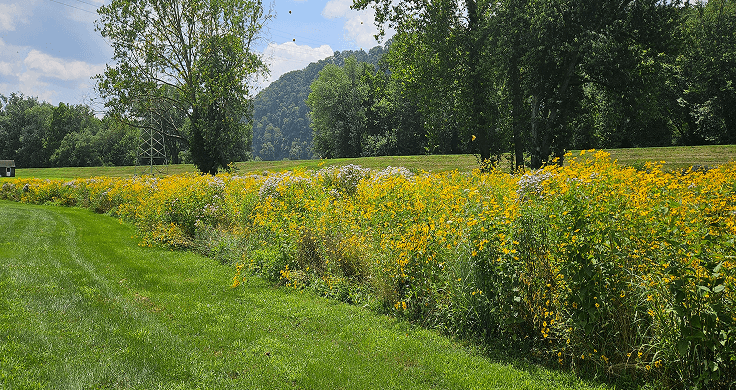
Native plant materials are used for a variety of purposes, such as stabilizing stream banks and floodplains, reducing soil erosion and sedimentation, and reducing the spread of non-native invasive plants.
Image: Mountain-Laurel (State Flower)

Invasive plants are reduced, removed, or replaced
Invasive species have contributed to the decline of 42% of U.S. endangered and threatened species, and for 18% of U.S. endangered or threatened species, invasives are the main cause of their decline.
Image: Japanese Barberry

Ecological balance is supported through responsible suppression measures
Herbicide applications help native plants compete against unwanted species. This allows for a safer, more balanced ecosystem.

Native plants provide a healthy wildlife habitat
Water, food, shelter (including nesting spots), and space to live out their lives in a fairly undisturbed way are the basic things all animals need. The more of these elements we can provide in our suburban and urban landscapes, the better off wildlife will be.

Water usage is reduced
Native plants require less water than lawns and help prevent erosion. Native plants can significantly reduce water runoff and, consequently, flooding.

Water flow is strategically managed
Reduce runoff and soil erosion and stabilize slopes by planting native trees, shrubs, and perennial ground covers in swales and on terraces, in addition to level and raised areas.

Stormwater is managed naturally
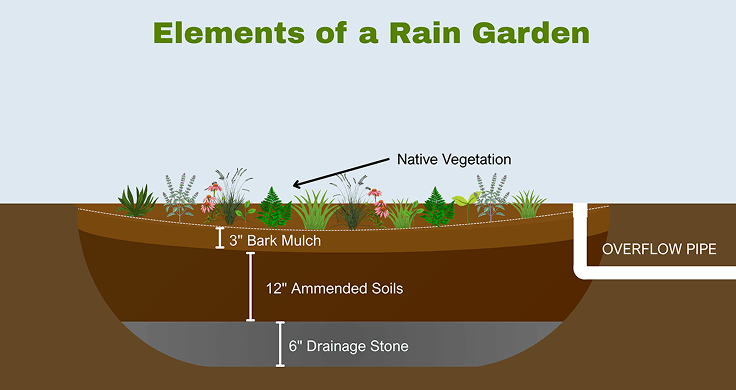
Our conservation landscapes incorporate infiltration systems such as rain gardens, bioswales, and subsurface beds to manage runoff at the source. These solutions support MS4 compliance, reduce erosion and flooding risk, and improve water quality while creating a functional wildlife habitat.

Lawn size is minimized
Although lawns can prevent erosion better than bare soil, most other types of landscape plantings provide more benefits to the environment than does a lawn.
There are many more benefits to going the conservation route. We'd love to show you how you can make an impact with your next project!


Start Your Landscape Transformation
In Three Simple Steps
Schedule Your Consultation
Tell us about your commercial, residential, or conservation project.
Get a Custom Conservation
Landscape-Based Plan
We assess your property, identify opportunities, and design a plan built around your goals and your site's natural systems.
Transform
Your Landscape
Our team installs high-quality native plants and systems that thrive long-term - giving you a beautiful, sustainable landscape with less maintenance.